Underground street racing is more than just a pursuit of speed; it’s a clandestine world where loyalty, trust, and brotherhood forge unbreakable bonds amid roaring engines and shadowed streets. Driven by adrenaline and rebellion, racers organize covert events in hidden locations, relying on encrypted communications and tight-knit crews to stay ahead of law enforcement. Their vehicles—masterpieces of craftsmanship—become symbols of identity and pride, reflecting years of effort and camaraderie. Despite increasing legal pressures, the community’s resilience is rooted in shared risks, late-night camaraderie, and unwavering loyalty, transforming crews into fiercely protective families. As technology advances, racers adapt, finding new ways to organize and innovate. The future hinges on balancing their rebellious spirit with safer, legal outlets—yet, the core values of brotherhood and passion remain unshaken. How will this high-octane culture evolve while safeguarding its deepest bonds?
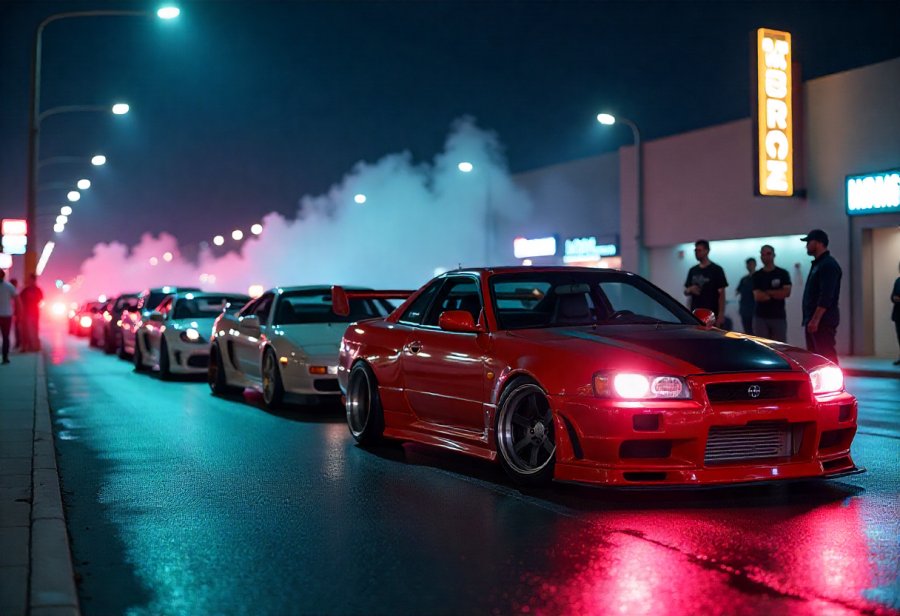
Unveiling the Hidden World of Underground Street Racing
Underground street racing is a clandestine world that comes alive late at night, hidden away from the watchful eyes of law enforcement. It typically unfolds in deserted parking lots, quiet industrial areas, or empty city streets where speed and secrecy go hand in hand. Racers gather in these hidden spots, driven by a mix of adrenaline, defiance, and a deep passion for pushing their cars—and themselves—to the limit. They often communicate through encrypted messages or coded signals, making sure their gatherings remain under the radar.
In urban environments, this scene has grown into a complex network of trusted crews and individual racers who share a common love for speed and craftsmanship. Locations are carefully chosen for their remoteness, ensuring that risks are minimized while the thrill remains high. Cars are often heavily modified for performance and style—sleek paint jobs, custom decals, and engine upgrades that turn everyday vehicles into symbols of identity and pride. These rides aren’t just about getting from point A to B; they’re statements of personality, craftsmanship, and rebellion.
Despite the dangers, underground racing continues to thrive because it fulfills fundamental human desires: the need for excitement, self-expression, and community. The scene is built on loyalty and trust—values that are reinforced through shared risks and late-night camaraderie. Racers depend on each other not only for technical advice, like tuning engines or finding secret routes, but also for protection against legal crackdowns. This tight-knit culture fosters friendships that often last a lifetime, forged in the shadows of the city and fueled by the collective pursuit of adrenaline.
What makes underground street racing so compelling is its resilience. Even as authorities crack down with surveillance, harsher penalties, and increased patrols, the community adapts. Racers develop new strategies—organizing smaller races, choosing less obvious locations, or racing at odd hours—to stay one step ahead. Their ability to evolve while maintaining the core values of loyalty, brotherhood, and adrenaline is what keeps this high-stakes world alive. It’s more than just illegal activity; it’s a form of cultural expression rooted in creativity, craftsmanship, and rebellion.
At its heart, underground street racing is about more than speed—it’s a shared experience that creates bonds deeper than blood. It’s a world where trust is earned through shared risks, late-night drives, and victories that become stories passed down through generations of racers. These relationships, built on mutual respect and loyalty, transform the scene from a mere pastime into a surrogate family. Despite legal pressures and societal judgments, the spirit of brotherhood endures, proving that in the shadows of the city, this culture remains vibrant and unbreakable.
Loyalty and Brotherhood: The Heart of Street Racing Crews
Within underground street racing, loyalty and trust form the foundation of the social fabric that keeps these crews united. These groups aren’t just a loose collection of drivers; they’re like family, bonded through countless late-night sessions, shared risks, and a mutual understanding that goes beyond just racing. Dependability and respect are the currency that cements these relationships, creating a sense of kinship that’s rare outside this scene.
The camaraderie runs deep. A shared passion for speed, craftsmanship, and the thrill of the chase turns mutual respect into lifelong friendships. Racers trust each other with their rides, secrets, and even their safety, often passing down tips on modifications or covert routes that outsiders never see. This trust isn’t just technical; it’s the glue that holds the brotherhood together, built through shared hardships and victories that forge bonds stronger than words.
Loyalty isn’t spoken aloud—it’s demonstrated through actions. Standing by your crew, no matter the outcome of a race or the threat of law enforcement, is an unwritten rule. Members protect each other’s identities, share parts and knowledge, and offer moral support during tense moments. This unwavering loyalty is earned through consistency, sacrifice, and the willingness to risk everything together. Over time, these relationships evolve into lifelong bonds rooted in mutual respect and shared adrenaline.
Night racing amplifies this connection. The quiet hours, the collective effort to stay under the radar, and the adrenaline-fueled risks foster a kinship that’s about more than just winning. It’s about supporting each other through danger and uncertainty. These experiences create a support network where everyone looks out for one another, reinforcing the deep sense of family that defines this culture.
Cars serve as more than transportation—they are symbols of loyalty and identity. Custom modifications reflect years of effort and pride, turning each vehicle into a personal badge of honor. Protecting each other’s secrets and respecting individual builds maintain the trust that keeps these crews tight. Many racers extend their loyalty beyond the streets, helping friends with everyday needs or sharing parts long after the engines have cooled.
The social dynamic in underground racing isn’t just about the thrill of speed; it’s about forging unbreakable connections. The bonds formed through risking safety together and late-night camaraderie last well beyond the races themselves. These relationships become a second family, fiercely protected and deeply valued. Even as law enforcement intensifies its crackdown, the resilience and loyalty within these groups keep the scene alive, proving that this brotherhood is more than just a passing trend.
At its core, underground street racing is a culture built on loyalty and shared risks. It’s about creating a sense of belonging that’s hard to find elsewhere—trust, brotherhood, and adrenaline woven into every aspect. These bonds, forged in secrecy and sealed through mutual sacrifice, make this scene more than just about cars; it’s about a community that refuses to break, no matter the obstacles.
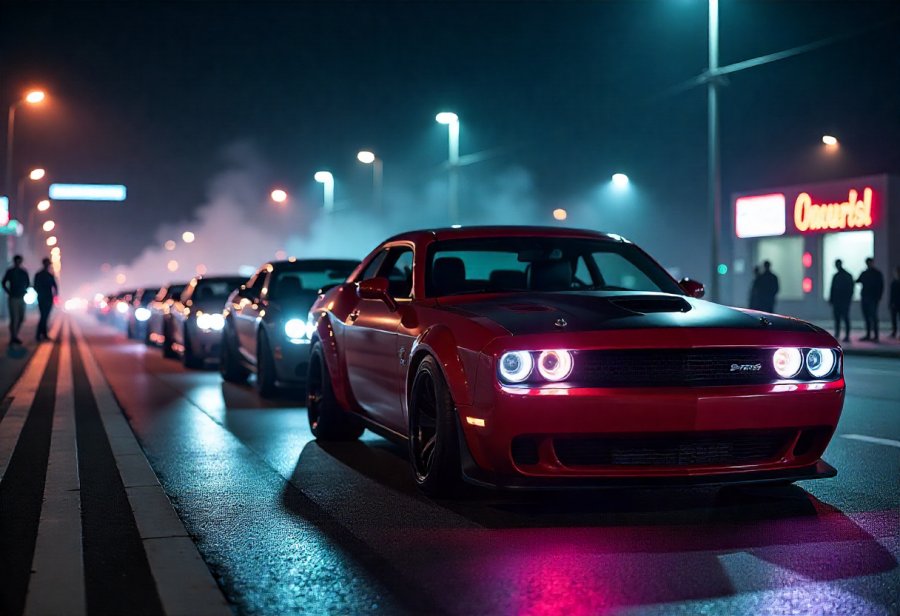
Navigating Modern Challenges: How Street Racing Survives Today
Today’s underground street racing scene is more organized and connected than ever, despite relentless pressure from law enforcement. Racers heavily depend on social media platforms and encrypted messaging apps to coordinate their events, share locations, and stay one step ahead of authorities. This digital layer adds complexity, allowing crews to plan races discreetly and adapt quickly when restrictions tighten. Trusted networks form the backbone of these operations, helping keep activities hidden while fostering a sense of community and shared purpose.
Locations have shifted to more secluded spots like industrial areas, abandoned roads, or empty parking lots. Racers carefully choose late-night hours to avoid traffic and surveillance, turning each race into a strategic game of cat and mouse. Vehicles involved are often heavily modified for performance and style—think bold paint, decals, and engine upgrades—serving as both tools and symbols of identity. This constant need to stay hidden fuels innovative tactics and tight-knit cooperation among participants.
Law enforcement remains a major obstacle, deploying drones, undercover officers, and stricter traffic laws to crack down on illegal races. Increased patrols and penalties like impoundments make organizing and executing races riskier, prompting racers to operate in smaller groups or choose less obvious locations. This ongoing game of concealment strengthens bonds among racers, as they rely on ingenuity and loyalty to stay ahead. Their resilience and adaptability demonstrate that the core values of brotherhood and adrenaline continue to drive the scene forward.
Beyond the legal challenges, technological innovations help keep underground racing alive. Encrypted communications, digital tuning tools, and covert online forums enable organizers to coordinate more safely and efficiently. These advancements not only help evade detection but also push the performance limits of modified cars, fueling the competitive spirit. Some see potential in transitioning from underground to legitimate venues like private tracks or sanctioned events, which could preserve the culture while offering safer, legal outlets for passion and craftsmanship.
Despite tightening restrictions, underground street racing endures because of its deep roots in loyalty, brotherhood, and rebellion. The community’s ability to evolve with new tech and strategies ensures its survival. As long as trust and shared risks remain central, racers will continue finding ways to race in the shadows. This resilience underscores a culture built on more than just speed—it’s a network of bonds that withstands even the greatest pressures, keeping the spirit of underground racing alive in the urban landscape.
Real Voices: Stories and Insights from the Underground Scene
Many participants of underground street racing describe it as more than just a rush of speed; it’s a world built on trust, loyalty, and shared risk. Racers often recount nights spent tuning engines in secret spots or navigating hidden routes, relying on each other’s skills and judgment. These stories go beyond the thrill of competition—they reveal a deep sense of belonging, almost like a second family formed through late-night camaraderie and mutual support.
One racer shared how his crew helped him prepare for a major race in a quiet parking lot under flickering streetlights. He knew he could count on their advice and support, and when the race started, that trust paid off. Watching out for each other’s safety amid roaring engines created an energy that’s about more than just winning—it’s about feeling connected in a way that’s hard to put into words. These shared moments of reliance and victory strengthen the bonds that turn crews into lifelong brothers.
Observers often note that loyalty in underground racing isn’t expressed through words but demonstrated through actions. Racers protect each other’s identities from law enforcement, share parts and tips, and stand by one another in dangerous situations. This unwavering trust is earned through consistency and sacrifice, forging relationships that last long after the engines cool. These bonds aren’t just built on adrenaline—they’re rooted in a collective commitment to each other’s safety and success.
The late-night environment amplifies this sense of kinship. Racing in the quiet hours fosters a support system that’s about more than just the race itself; it’s about looking out for each other in unpredictable, risky moments. The adrenaline rush is a shared experience, and the understanding that everyone is in it together makes the brotherhood stronger. These nights forge a bond based on shared danger, trust, and a mutual commitment to safety.
Cars are more than machines—they’re symbols of loyalty and identity. Custom mods reflect years of effort and pride, turning each vehicle into a personal badge of honor. Protecting each other’s secrets and respecting individual builds help maintain the trust that keeps crews close-knit. Many racers extend their loyalty beyond the streets by helping friends with everyday needs or sharing parts long after the engines have cooled. These relationships, built on shared risks and respect, form the core of a culture that’s about much more than just racing.
Stories from racers and observers highlight that the true power of underground street racing lies in its community. It’s about creating a sense of belonging that’s rare in today’s world—trust, loyalty, and shared hardship binding people together. These bonds become a second family, fiercely protected and deeply valued. Even as law enforcement tightens its grip, the resilience and loyalty of these groups keep the scene alive, proving that the connections forged in secrecy can endure far beyond the thrill of the night race.
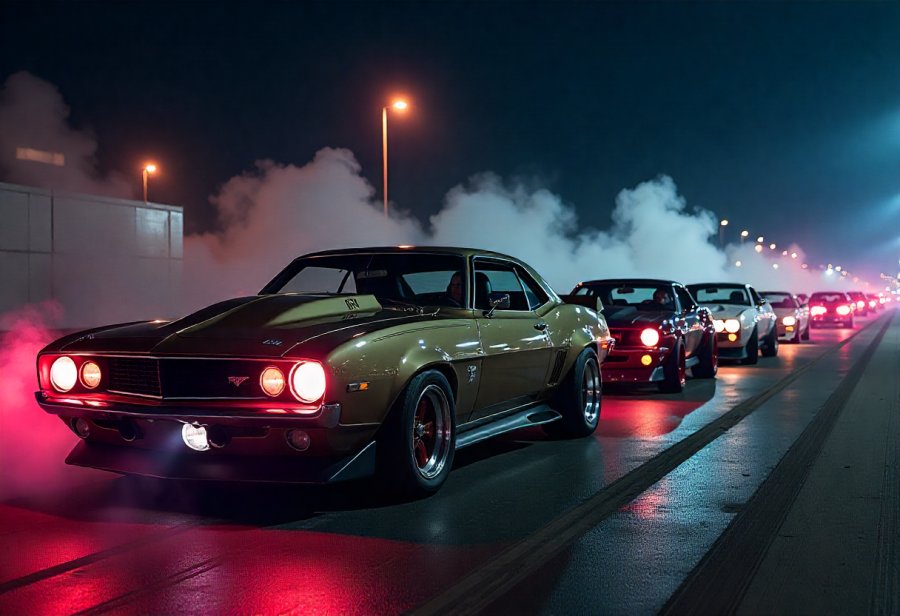
Future Directions: Evolving Tech and the Road Ahead for Underground Racing
The future of underground street racing hinges on how technology and law enforcement evolve in tandem. As digital tools become more sophisticated, racers are finding new ways to organize covertly and push their cars to the limits without attracting unwanted attention. Encrypted messaging apps, online tuning platforms, and secret forums allow crews to coordinate races discreetly, ensuring their scenes remain hidden while maintaining a sense of community. This reliance on technology helps them adapt quickly to tightening restrictions, keeping the culture alive beneath the radar.
Advancements in vehicle technology continue to fuel the scene’s resilience. Lightweight materials, real-time data monitoring, and high-performance upgrades enable racers to elevate their craft safely and creatively. These innovations preserve the thrill of pushing boundaries, encouraging craftsmanship and ingenuity. As the community evolves, so do their cars—each modification a reflection of skill, pride, and rebellion, reinforcing the scene’s core identity.
Legal challenges remain a major hurdle. Stricter laws, increased surveillance, and harsher penalties make organizing illegal races more dangerous than ever. Many racers respond by racing in smaller, more secretive groups or choosing less obvious locations during late hours. This constant game of hide-and-seek fosters a tight bond among participants, as loyalty and ingenuity become their best tools for survival. Their ability to adapt and stay connected under pressure demonstrates that the spirit of brotherhood is stronger than any crackdown.
Some within the scene see opportunities to channel their passion into legitimate outlets. Private tracks, sanctioned events, or exclusive clubs could serve as safer spaces for enthusiasts to race and share their craftsmanship legally. Developing these alternatives might help preserve the culture’s creative energy and technical mastery, while reducing risks for everyone involved. Building bridges between underground roots and formal venues could ensure the scene’s longevity without sacrificing its rebellious essence.
Despite the mounting challenges, the core values of loyalty, innovation, and camaraderie continue to drive underground racing forward. Digital connectivity and strategic secrecy allow racers to sustain their community, even as authorities tighten their grip. Their resilience is rooted in a shared understanding that the bonds formed through late-night risks and shared victories are more enduring than any law. This collective spirit ensures that the culture remains vibrant, adaptable, and fiercely independent.
Looking ahead, preserving the essence of underground racing will require a delicate balance. Embracing responsible innovation—such as designated tracks or legal events—can help protect both the community and its members. By fostering a culture that values safety without losing its rebellious soul, racers can ensure their passion endures for generations to come. The enduring strength of this scene lies in its ability to evolve while holding tight to the brotherhood that fuels its fire.
In the end, underground street racing’s future is about more than just cars and speed; it’s about resilience and identity. As long as loyalty, ingenuity, and a love for the craft remain central, the scene will find ways to thrive in the shadows. Its power lies in its capacity to adapt, turning obstacles into opportunities for renewal. Even amid increasing scrutiny, the bonds forged in secrecy and shared risks will keep this high-octane culture alive, proving that the need for speed and brotherhood can withstand any challenge.