Beyond Hollywood’s glamorous myth lies the true story of Cleopatra VII—a brilliant strategist and scholarly leader whose power stemmed from her intellect, cultural mastery, and diplomatic finesse. Could her legacy be better understood as rooted in her sharp mind and strategic insight rather than seduction and romance? Raised amidst Egypt’s political and scholarly worlds, she mastered multiple languages and supported Alexandria’s renowned library, turning knowledge into her greatest weapon. Her alliances with Julius Caesar and Mark Antony were carefully calibrated political moves, showcasing her ability to read complex situations and adapt swiftly. Cleopatra’s influence extended far beyond her reign, inspiring notions of female leadership rooted in wisdom, resilience, and cultural awareness. Her story challenges us to reconsider what true power looks like—are we undervaluing intelligence and diplomacy in today’s leadership? Her enduring legacy invites reflection on how mastery of knowledge, emotional insight, and strategic patience can forge a lasting impact amidst turbulent times.
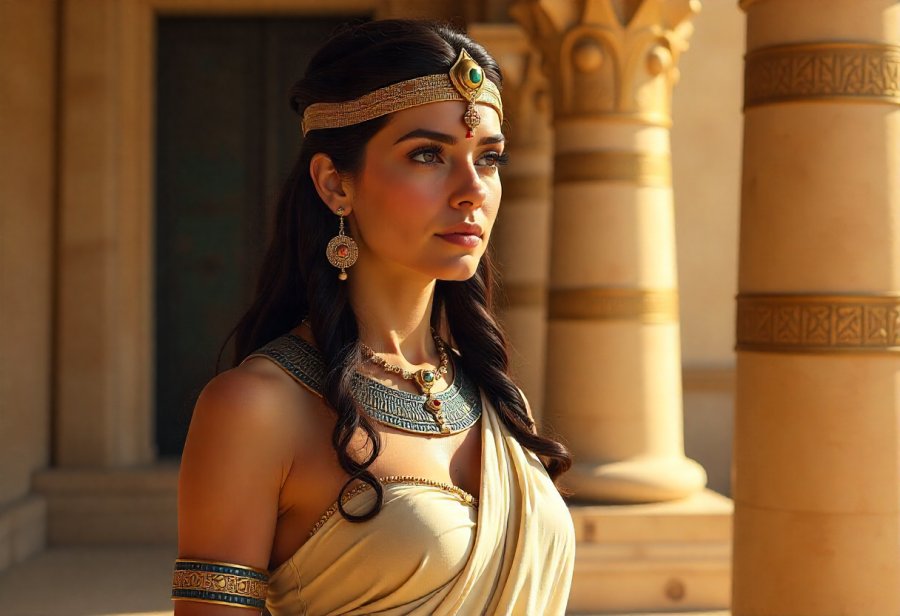
Unveiling Cleopatra: Beyond Glamour to Strategic Genius
Cleopatra VII is often remembered through Hollywood’s glamorous lens—think shimmering gowns, dramatic romances, and seductive allure. But her true story goes far beyond those images. She was a brilliant strategist, a highly educated ruler who navigated one of the most turbulent periods in Egyptian history with sharp wit and keen political insight. Her strength didn’t come from beauty alone; it was rooted in her ability to read a situation, form alliances, and wield her intelligence as a powerful tool.
As the last active pharaoh of Egypt, Cleopatra’s influence was driven by her mind. She mastered multiple languages, engaged deeply with scientific pursuits, and understood the importance of cultural diplomacy. Her leadership was subtle yet effective, relying on diplomacy, scholarship, and cultural savvy to maintain her throne amid external threats, especially from Rome. Her capacity to adapt, think several steps ahead, and use her knowledge strategically set her apart from many of her counterparts.
Born into the Macedonian Greek ruling family that had controlled Egypt for generations, Cleopatra’s heritage was a blend of Hellenistic and Egyptian traditions. Her early life was filled with politics, education, and diplomacy, shaping her into a ruler who highly valued learning and cultural sophistication. Fluent in at least nine languages, including Egyptian, Greek, Latin, and Aramaic, she could communicate directly with a diverse range of people. This linguistic skill wasn’t just practical; it reflected her curiosity and her commitment to understanding different cultures deeply.
Her education extended beyond languages. Cleopatra was deeply involved with Alexandria’s renowned Library and scholarly institutions, supporting scientific inquiry and philosophy. These centers of knowledge were more than symbols—they were strategic assets. Her support for learning strengthened her cultural influence and helped her craft a reputation as a ruler who valued wisdom, innovation, and knowledge—traits that would serve her throughout her reign.
Her story begins long before her reign, rooted in a deliberate effort to develop her intelligence, cultural awareness, and strategic insight. These qualities became her greatest weapons, allowing her to lead Egypt with a combination of scholarly knowledge and political skill. Cleopatra’s legacy isn’t just of a queen who captured the world’s imagination; it’s of a formidable leader whose strength was fundamentally rooted in her mind.
Origins of Power: Cleopatra’s Macedonian Roots and Early Education
Cleopatra VII’s early life set the stage for her reputation as a shrewd and well-educated leader. Born into the Macedonian Greek ruling family that had governed Egypt for generations, she inherited a complex blend of Hellenistic and Egyptian traditions. This dual heritage gave her a unique perspective, enabling her to bridge cultural divides and lead a diverse kingdom with insight and finesse. Her upbringing immersed her in the political, diplomatic, and scholarly worlds from a young age, shaping her into a ruler who valued wisdom and strategic thinking.
Her education was extensive and deliberately cultivated to prepare her for leadership. She studied languages, philosophy, mathematics, and sciences, ensuring she was equipped with the knowledge needed to govern effectively. This intellectual foundation wasn’t accidental but a conscious effort to develop the skills necessary for navigating a volatile political landscape. Her early training emphasized strategic thinking, diplomatic finesse, and cultural awareness—traits that would define her leadership style.
Fluent in at least nine languages—including Egyptian, Greek, Latin, and Aramaic—Cleopatra could communicate directly with a broad spectrum of people. This linguistic versatility was more than a practical skill; it reflected her curiosity and commitment to understanding different cultures. Her ability to converse fluently with diverse groups allowed her to forge alliances and negotiate with confidence, often outmatching her rivals in diplomacy and influence.
Beyond language skills, Cleopatra was deeply involved with Alexandria’s renowned Library and scholarly institutions. Supporting scientific inquiry, philosophy, and the arts, she recognized these centers of knowledge as strategic assets. Her patronage helped strengthen Egypt’s cultural and scientific foundations, reinforcing her reputation as a ruler who valued learning and innovation. This focus on scholarship was not just personal interest but a deliberate strategy to bolster her authority and influence.
Her Macedonian heritage also carried a legacy of strategic brilliance and cleverness, traits inherited from ancestors like Alexander the Great. These qualities helped her develop an acute ability to read her enemies, anticipate their moves, and use influence with precision. Her early experiences and education laid a solid foundation that she would build upon throughout her reign, ensuring her ability to navigate complex political and cultural terrains.
All these elements combined to shape Cleopatra into a ruler who prioritized intelligence, cultural awareness, and strategic insight. Her early years were not merely about royal privilege but about cultivating the mental agility and leadership skills that would make her a lasting and formidable figure in history. Her foundation was built on knowledge, curiosity, and a sharp mind—traits that would define her legacy as one of the most intelligent and strategic leaders of her time.
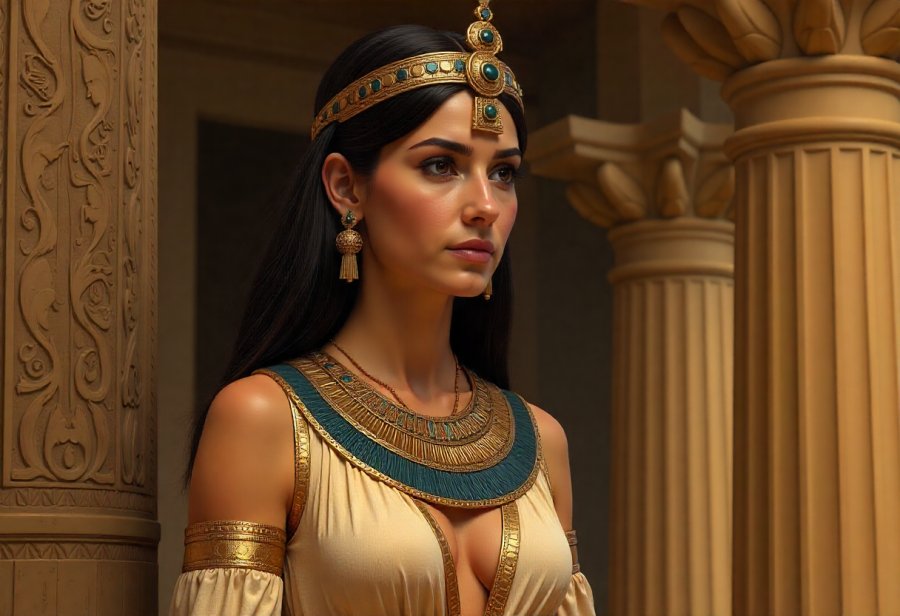
Legacy of Influence: How Cleopatra Redefined Female Leadership
Cleopatra’s influence extends well beyond her lifetime, shaping perceptions of female leadership and strategic brilliance for centuries. Often portrayed through myths and Hollywood glamor, her true strength lay in her intelligence and political savvy. She defied gender norms in a male-dominated world, demonstrating that power rooted in knowledge, diplomacy, and resilience could be just as formidable as brute strength. Her story continues to inspire women leaders and thinkers, emphasizing the importance of mental agility over superficial qualities.
While her legend is colored by romanticized images—seductive allure and dramatic alliances—modern scholarship reveals a different picture. Cleopatra was a master strategist, using her multilingual skills, cultural diplomacy, and political insight to forge alliances and outmaneuver her enemies. Her ability to read situations accurately and respond with calculated negotiation made her a formidable figure—not just a symbol of beauty or seduction, but a leader of remarkable influence and resilience.
Throughout her reign, Cleopatra worked tirelessly to preserve Egypt’s independence amid the expanding power of Rome. Her relationships with Julius Caesar and Mark Antony were not mere romantic entanglements but carefully crafted political alliances. She understood that influence was most effective when rooted in trust, symbolism, and cultural understanding. Her diplomatic finesse turned potential enemies into allies, showcasing her capacity to wield power with patience, intelligence, and strategic vision.
Her leadership style blended tradition with innovation. Cleopatra respected Egyptian customs while embracing Hellenistic influences that reinforced her legitimacy. Her multilingual abilities and support for Alexandria’s scholarly institutions reflected her belief in the transformative power of knowledge. She understood influence came from understanding human nature, cultural nuances, and timing—skills that allowed her to adapt and thrive in a turbulent political landscape.
Her legacy offers lessons still relevant today. Cleopatra showed that influence depends less on superficial charm and more on wisdom, emotional insight, and cultural awareness. Her ability to negotiate, persuade, and think long-term enabled her to turn crises into opportunities. Her dedication to scholarship and education underscores a timeless truth: that knowledge is a powerful tool for leadership, resilience, and influence.
Her story invites us to see leadership as more than a title or appearance. It’s about cultivating intelligence, empathy, and strategic patience. Cleopatra’s example encourages modern leaders to value education, curiosity, and cultural competence—traits that foster trust and sustainable influence. Her life reminds us that true power resides in the mind, and that resilience and insight can shape a legacy that endures through the ages.
Leadership Lessons from Cleopatra: Wisdom, Diplomacy, and Adaptability
Cleopatra’s story offers more than just an intriguing glimpse into ancient leadership; it provides timeless lessons on how intelligence and strategic thinking shape influence and resilience. Her success was rooted in a nuanced understanding that power isn’t solely about territory or force but about mastering diplomacy, language, and cultural awareness. Being multilingual and deeply engaged with sciences and philosophy gave her a distinct advantage in negotiations and alliance-building. Her ability to communicate across cultures and establish trust was crucial in a world where perception often held as much weight as reality.
Her diplomatic finesse illustrates that influence isn’t always about confrontation or overt displays of strength. Instead, it’s about timing, subtlety, and reading cues—skills Cleopatra mastered through her multilingual abilities and cultural insight. Her negotiations with Julius Caesar and Mark Antony weren’t just romantic or political—they were complex strategic moves. She understood how to leverage symbolism, show strength through wit, and respond flexibly to shifting circumstances. Modern leaders can learn from her tact: influence often comes from listening carefully, adapting strategies, and responding with patience rather than rushing into conflict.
Adaptability was central to Cleopatra’s leadership style. She could shift her approach depending on her audience—whether Egyptian priests, Greek scholars, or Roman generals—demonstrating resilience through flexibility. Her capacity to listen, learn, and modify her tactics kept her several steps ahead of her rivals. This ability to respond thoughtfully under pressure shows that resilience isn’t just about endurance but about evolving in real time, turning challenges into opportunities for strategic advantage.
Supporting Alexandria’s renowned library and scholarly community reflected her deep belief in the power of knowledge. Cleopatra understood that a well-informed ruler could better navigate complex political landscapes and influence others more effectively. Her patronage of science, philosophy, and the arts wasn’t just about cultural pride; it was a deliberate move to bolster Egypt’s intellectual capital. This focus on continuous learning and innovation remains relevant today, reminding leaders that investing in knowledge and education builds a foundation for sustainable influence.
Above all, Cleopatra’s example underscores that true strength lies in the mind. Her linguistic skills, scholarly pursuits, and diplomatic finesse made her a master strategist whose influence extended far beyond her time. She demonstrated that leadership rooted in intelligence, emotional insight, and cultural understanding can withstand the turbulence of political upheaval. Her legacy encourages us to value curiosity, resilience, and strategic patience—traits that transform individuals into influential leaders who leave a lasting impact.

Enduring Relevance: Cleopatra’s Wisdom for Modern Leaders
Cleopatra’s legacy as a leader driven by intellect remains strikingly relevant today. In a world that increasingly values knowledge, diplomacy, and cultural understanding, her example highlights the enduring power of mental agility. Modern influence often hinges on the ability to adapt, communicate across diverse groups, and build trust—traits she exemplified through her multilingual skills and strategic diplomacy. Her capacity to read complex situations, leverage her knowledge, and respond with flexibility offers lessons that transcend time and context.
Her story underscores that influence isn’t solely about surface-level charm or superficial appearances. Instead, it’s rooted in cultivating a deep understanding of human nature, cultural nuances, and timing. Cleopatra demonstrated that patience, strategic thinking, and emotional intelligence can be more effective than force or superficial tactics. Her mastery in negotiation and persuasion shows that influence often depends on subtlety, empathy, and a willingness to listen and adapt.
Throughout her reign, Cleopatra prioritized learning and scientific inquiry, recognizing that knowledge is a foundation for resilience and authority. Supporting Alexandria’s renowned library and scholarly institutions was more than cultural pride; it was a strategic move to strengthen Egypt’s intellectual capital. Today’s leaders can draw inspiration from her emphasis on continuous education, curiosity, and the integration of science and arts as tools for influence and innovation.
Her ability to read her environment and respond thoughtfully underscores the importance of adaptability in leadership. Whether engaging with Egyptian priests, Greek scholars, or Roman generals, Cleopatra’s flexibility allowed her to turn challenges into opportunities. This resilience—built on insight, patience, and cultural competence—remains vital in navigating complex global challenges and personal endeavors alike.
Cleopatra’s life invites us to rethink what true leadership entails. It’s less about titles or superficial displays of power and more about fostering intelligence, empathy, and strategic patience. Her example encourages modern leaders to value education, curiosity, and cultural awareness as essential tools for sustainable influence. This mindset creates a legacy that endures beyond fleeting trends or superficial success.
In an era marked by rapid change and interconnected societies, Cleopatra’s focus on lifelong learning and cultural competence offers a timeless blueprint. Her ability to forge meaningful relationships through trust and understanding demonstrates that influence built on knowledge and resilience can withstand even the most turbulent times. Her story reminds us that lasting impact comes from cultivating the mind and heart equally.
Her influence extends beyond politics; it’s a call to prioritize wisdom, curiosity, and strategic thinking in every facet of leadership. Embracing her example means valuing continuous growth and understanding others deeply. These qualities foster genuine influence and inspire trust, creating a foundation for enduring leadership in any era.
Ultimately, Cleopatra’s example affirms that the greatest weapon in leadership is the mind. Her legacy challenges us to invest in education, embrace adaptability, and approach challenges with resilience and insight. By doing so, we honor her true strength—a mind capable of shaping history and inspiring generations to come.