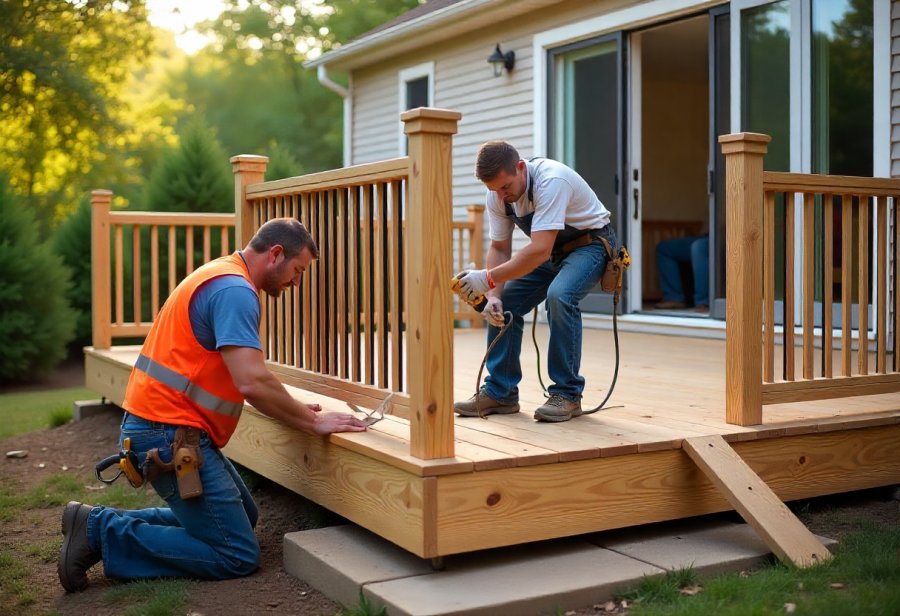
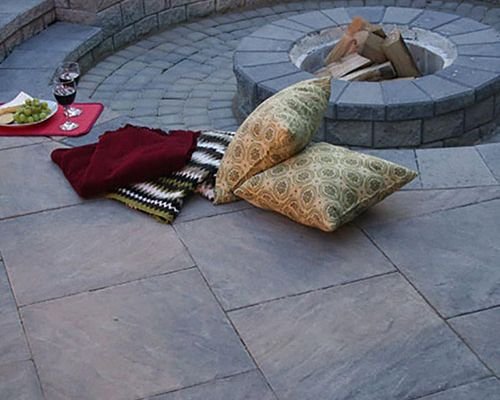
Transforming your backyard into a personal oasis begins with the artful design of a custom deck—an outdoor extension that reflects your style and meets your needs. But is striving for perfection sometimes overshadowing practicality? This guide takes you through the intricate balance of aesthetics, durability, and functionality, highlighting how thoughtful planning, material selection, and precise execution can create a space that endures the test of time. From choosing sustainable, high-quality materials to incorporating thoughtful details like lighting and storage, every element matters. As trends evolve toward smarter, eco-friendly, and multifunctional outdoor retreats, the possibilities become even more compelling. Will your new deck serve merely as a beautiful structure or become a timeless sanctuary that seamlessly blends form and function? Discover how careful craftsmanship and innovative design can elevate your outdoor living experience beyond expectations.
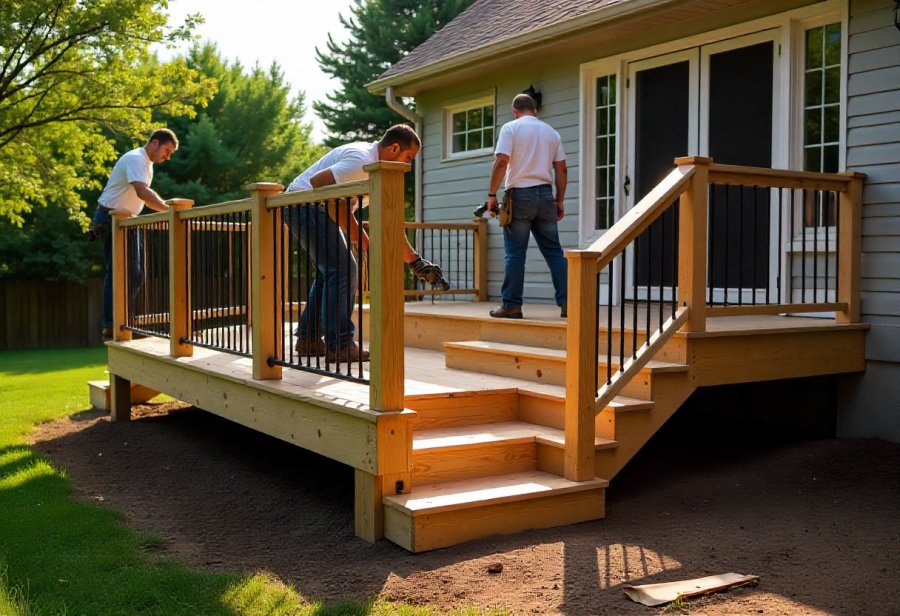
Transform Your Backyard into a Personal Oasis with Custom Decks
A custom deck isn’t just an outdoor platform; it’s a canvas for your personal style and a key element in turning your backyard into a timeless retreat. Unlike off-the-shelf options, a well-designed custom deck is built specifically for your space, needs, and aesthetic preferences. It becomes a natural extension of your home, inviting you outdoors with a sense of purpose and beauty.
Designing a personalized deck begins with thoughtful planning. Assess your yard—measure the available space, note existing features like trees, slopes, or uneven terrain, and imagine how you’ll use the area. Sketching different layouts helps you visualize how the space will flow, ensuring your deck feels integrated into the landscape and complements your home’s architecture.
Material choice plays a vital role in shaping your deck’s character and longevity. Natural woods like cedar, redwood, or tropical hardwoods bring warmth and resilience, while composite decking offers a low-maintenance, durable alternative. Selecting finishes and colors—stained, painted, or natural—lets you tailor the look to match your style, with materials aging gracefully over time.
Layout decisions are equally important. Consider how you move through the space—placing seating areas, outdoor kitchens, or shaded zones where they suit your lifestyle best. Proper placement of stairs, railings, and lighting not only enhances safety but also adds visual interest, making your deck a seamless extension of your home.
Details can elevate your design from simple to exceptional. Small elements like spacing between boards for drainage, integrated lighting, or built-in storage enhance utility while maintaining aesthetic cohesion. These thoughtful touches help prevent common issues like water pooling or uneven surfaces, ensuring your outdoor retreat remains inviting and durable.
Balancing beauty with durability guides every step. Choose finishes and hardware resistant to fading, rust, and moisture. A sturdy framing system provides stability, especially if you plan to add heavy furniture or appliances later. Planning for potential modifications with modular designs and visualization tools like 3D modeling ensures your deck can evolve with your needs.
A custom deck is more than just a structure; it’s a reflection of your lifestyle and taste. When approached with care, it becomes a cherished space for relaxation, entertaining, and creating memories. Building with intention transforms your backyard into a personal oasis—timeless, functional, and uniquely yours.
Design with Purpose: Principles and Planning for a Stunning Outdoor Space
Designing a custom deck begins with a clear vision that balances style and practicality. Start by thoroughly assessing your yard—measure the space, identify existing features like trees, slopes, or uneven terrain, and think about how you’ll use the area. Creating rough sketches or layouts helps you visualize different configurations, ensuring your design feels natural within the landscape and complements your home’s architecture. This early planning sets the foundation for a cohesive outdoor space that feels like a true extension of your living area.
Choosing the right materials is essential for both durability and aesthetic appeal. Natural woods such as cedar, redwood, or tropical hardwoods add warmth and resilience, blending seamlessly with outdoor environments. For those seeking low maintenance, composite decking made from recycled plastics offers longevity and a sleek finish with minimal upkeep. Your selection of finishes and colors—stained, painted, or left natural—should reflect your personal style while aging gracefully over time, maintaining beauty and integrity.
Layout decisions are just as crucial. Think about how you’ll move through the space—placing seating areas, outdoor kitchens, or shaded zones where they enhance your lifestyle. Proper placement of stairs, railings, and lighting not only improves safety but also adds visual interest. A thoughtfully planned layout creates a fluid flow, making your deck feel like a natural, inviting extension of your home, perfect for relaxing or entertaining.
Paying attention to details during planning can elevate your deck from ordinary to extraordinary. Small touches like spacing boards for proper drainage, integrating lighting for ambiance, or including built-in storage enhance utility without sacrificing style. These elements prevent common issues like water pooling or uneven surfaces, helping your outdoor retreat stay functional and inviting over the years.
A balance between beauty and durability guides every decision. Opt for finishes and hardware resistant to fading, rust, and moisture, ensuring your deck remains attractive long-term. A sturdy framing system provides stability, especially if you plan to add heavy furniture or appliances later. Using visualization tools like 3D modeling allows you to see how your ideas come together before construction begins, making adjustments easier and ensuring your design aligns with your vision.
Thoughtful planning and material choices lay the groundwork for a durable, beautiful outdoor space. When every element is considered, your deck becomes more than just an addition—it transforms into a personalized sanctuary that seamlessly blends aesthetics with practicality. With clear vision and careful preparation, your outdoor oasis will stand as a timeless extension of your home, ready to serve your lifestyle for years to come.
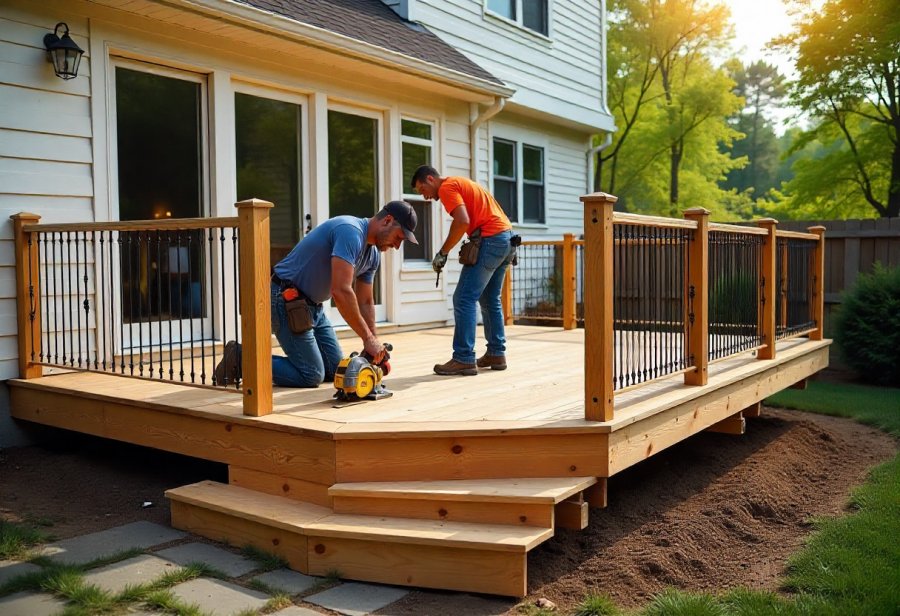
Step-by-Step Guide to Creating and Building Your Dream Deck
Creating a custom deck begins with a clear vision of how you want to use your outdoor space. Start by measuring your yard carefully, noting existing features like trees, slopes, or uneven terrain. Imagine your ideal setup—whether it’s a cozy nook for morning coffee or a spacious area for entertaining—and sketch out rough layouts to see how different configurations feel within your landscape. This planning step turns your lifestyle needs and aesthetic preferences into a practical blueprint that guides every stage of the build.
Choosing the right materials is key to ensuring your deck is both beautiful and durable. Natural woods like cedar, redwood, or tropical hardwoods bring warmth and resilience, blending seamlessly with outdoor environments. If low maintenance is a priority, composite decking made from recycled plastics offers longevity and a sleek look with minimal upkeep. Select finishes and colors—stained, painted, or natural—that reflect your style while aging gracefully over time, so your deck remains inviting for years to come.
Layout is just as important as material selection. Think about how you’ll move through the space and what zones will serve your needs—whether it’s a seating area, outdoor kitchen, or shaded retreat. Proper placement of stairs, railings, and lighting enhances safety and visual appeal, creating a seamless flow that makes your deck feel like a natural extension of your home. Balancing aesthetics with functionality ensures your outdoor space is both inviting and practical.
Details can elevate your deck from ordinary to extraordinary. Incorporate small touches like spacing boards for proper drainage, integrated lighting to set the mood, or built-in storage to boost utility without cluttering the design. These thoughtful elements prevent common issues like water pooling or uneven surfaces, helping your outdoor retreat stay beautiful and functional over time. Focusing on these finer points creates a cohesive look that feels intentional and well-crafted.
Finally, consider how your deck can evolve with your needs. Modular designs that can be reconfigured or expanded offer flexibility, while visualization tools like 3D models help you see the final result before construction begins. This proactive approach minimizes surprises, aligns your expectations, and ensures your custom deck will be a lasting, personal sanctuary—an outdoor haven that reflects your style and stands the test of time.
From Concept to Reality: Practical Tips for Executing and Maintaining Your Custom Deck
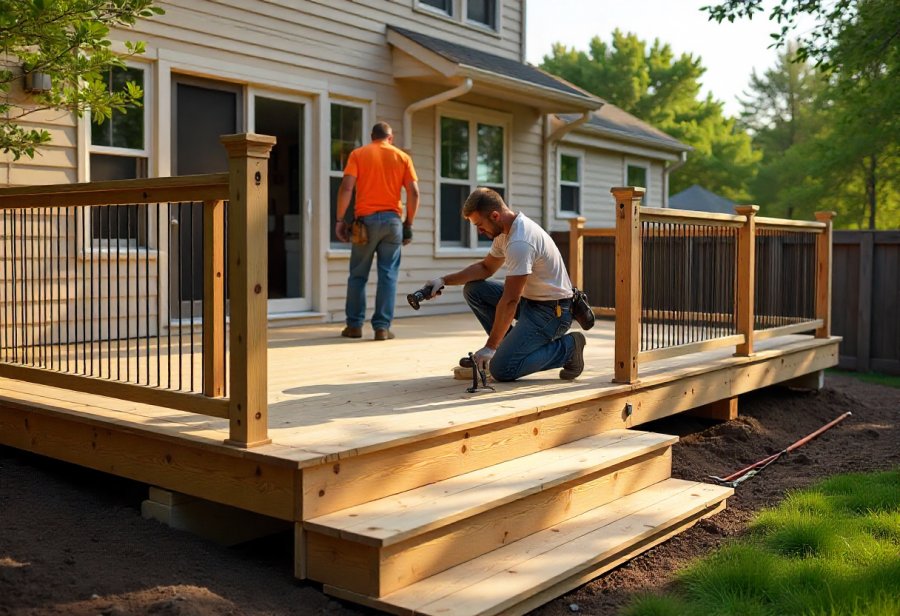
Building a custom deck starts with careful planning and attention to detail at every step. First, securing permits and ensuring your design complies with local building codes is essential. Skipping this can lead to costly delays or having to redo parts of the project later. Once approved, clear the site of debris and level the ground where the deck will sit. Proper foundation work, such as installing concrete footings or piers, provides the stability needed to support the structure and withstand seasonal shifts.
Next, focus on framing—the backbone of your deck. Measure accurately and cut support beams and joists precisely to keep everything square and level. Using a good level throughout helps catch small misalignments early, preventing bigger issues down the line. When the frame is secure, lay down the decking boards, leaving small gaps between each for drainage and airflow. Fasten the boards tightly with high-quality stainless steel screws or fasteners to resist rust and corrosion.
Adding railings, stairs, and lighting completes the project by enhancing safety and style. Railings should be sturdy and meet safety standards but can also serve as decorative elements, giving your deck a personalized touch. Properly supported stairs with consistent rises and runs ensure safe, comfortable access. Incorporating lighting—whether low-voltage or built-in fixtures—creates ambiance and increases safety during nighttime use.
Throughout construction, quality craftsmanship makes a noticeable difference. Pay attention to small details like smooth sanding of edges, tight joints, and flush hardware. These touches influence both the appearance and durability of your deck. When all structural elements are properly built, your deck will better withstand weather, heavy use, and the passage of time. Using durable materials and hardware from the start sets the stage for a long-lasting outdoor retreat that retains its beauty.
Once your deck is complete, regular maintenance keeps it looking fresh and functioning well. Routine cleaning with a gentle scrub removes dirt and debris, preventing buildup that can trap moisture. Reapplying sealant or stain every few years protects the surface from fading, cracking, and water damage. Regularly inspect for loose fasteners, warped boards, or signs of rot, and address issues promptly. These small upkeep efforts extend the life of your outdoor space and keep it inviting for years to come.
Looking Ahead: Innovations and Trends Shaping the Future of Custom Decks
The world of custom decks is constantly evolving, driven by new materials, innovative technology, and shifting design preferences. Sustainability has become more than just a trend; it’s a core consideration. Homeowners now favor eco-friendly options like recycled composite materials and responsibly sourced hardwoods that combine beauty with environmental responsibility. These choices offer durability, resilience, and a reduced ecological footprint, ensuring outdoor spaces stay stunning and sustainable.
Technological advancements are reshaping outdoor craftsmanship, making decks smarter and more adaptable. Integrated features such as LED lighting, outdoor heating systems, and remote-controlled gadgets turn a simple structure into an extension of your home’s living space. With the push of a button, you can set the perfect mood, extend usability into cooler months, or effortlessly manage your outdoor environment, all while enjoying seamless connectivity and control.
Design trends are leaning toward highly personalized, multifunctional outdoor areas. Multiple levels, built-in seating, outdoor kitchens, and shaded zones now serve various purposes, creating a harmonious blend of style and function. These spaces are crafted to encourage outdoor living as an extension of indoor comfort, fostering an inviting atmosphere that’s perfect for entertaining, relaxing, or family gatherings.
Materials continue to advance in both quality and variety. Exotic hardwoods, polished stones, and high-end metals are gaining popularity for their timeless appeal and durability. These premium finishes add a touch of sophistication, helping outdoor spaces withstand the elements while maintaining their refined look over time. Their resilience ensures that your deck remains a beautiful, long-lasting feature of your backyard.
Looking ahead, modular and reconfigurable designs are set to become more common, offering flexibility that adapts to changing needs. Homeowners will be able to expand, reimagine, or personalize their outdoor retreats with ease. Virtual reality and 3D modeling tools are making it easier to visualize these transformations before breaking ground, reducing surprises and aligning expectations seamlessly.
Beyond aesthetics and functionality, future decks will emphasize integration with smart home technology and eco-conscious materials. These innovations will create outdoor environments that are not only visually stunning but also energy-efficient and environmentally mindful. As outdoor living continues to grow in importance, decks will evolve into versatile, sustainable retreats—spaces that reflect personal style while embracing the innovations shaping tomorrow’s outdoor craftsmanship.