In an era where seamless communication defines competitive advantage, are you truly maximizing the potential of customized telephony solutions? Modern businesses are shifting away from generic phone systems toward tailored, scalable platforms that streamline workflows, support remote work, and enhance customer interactions. Grandstream’s innovative devices, like the carrier-grade GRP series IP phones, paired with cloud management tools such as GDMS, offer a future-proof infrastructure that adapts to evolving needs. But how well are your current systems optimized for productivity and growth? Intelligent device customization—featuring programmable keys, HD audio, and CRM integration—can dramatically accelerate response times and reduce misunderstandings. As organizations face the dual challenge of maintaining high-quality internal communications and delivering superior customer service, embracing these advanced solutions becomes more crucial than ever. Are you ready to unlock new levels of efficiency and resilience in your communication strategy?
Unlocking the Power of Customized Telephony for Business Success
Effective communication forms the backbone of any successful business. As companies expand and face new challenges, having a reliable, tailored telephony system isn’t just a convenience—it’s a strategic necessity. Modern solutions now allow organizations to customize their communication tools to fit specific workflows, industry demands, and remote working arrangements, making them essential for staying competitive in today’s fast-paced environment.
Gone are the days of one-size-fits-all phone systems. Today’s businesses benefit from devices and management platforms that can be tailored to their unique operational needs. Whether supporting remote teams, managing high call volumes, or integrating with customer relationship management (CRM) systems, the right telephony setup transforms daily interactions into seamless exchanges. This level of personalization boosts efficiency and enhances the overall customer experience.
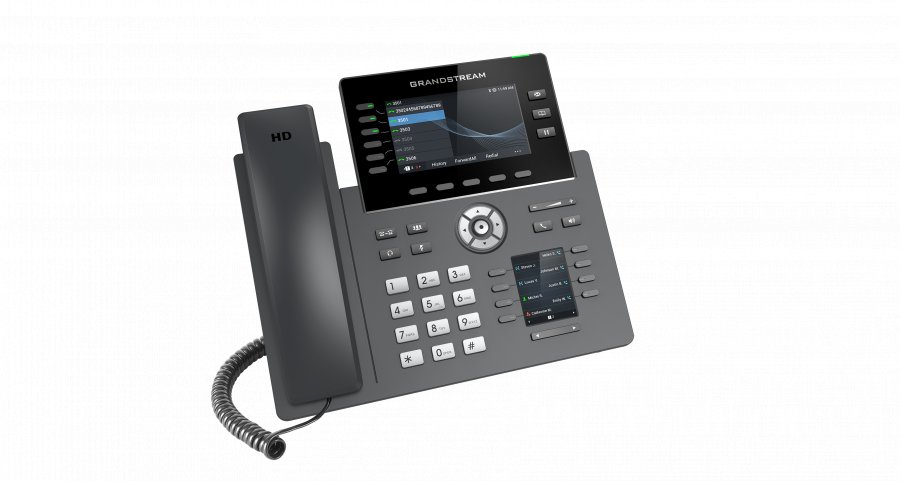
Technological advancements have simplified deploying these custom solutions. Devices like Grandstream’s IP phones and gateways offer a range of features—such as high-definition audio, programmable keys, and cloud management capabilities—that scale with your business. This flexibility allows organizations to build a responsive, future-proof communication infrastructure capable of adapting to growth and changing demands.
Understanding the importance of customized telephony solutions helps in making informed decisions that improve productivity and minimize misunderstandings. A well-designed system ensures clear, reliable communication—vital for maintaining strong internal and external relationships. As we explore the core principles of modern telephony technology, it’s clear how these systems serve as the foundation for smarter, more connected workplaces.
Looking ahead, integrating tailored telephony solutions becomes even more crucial for supporting hybrid work models and expanding organizational reach. The right devices and platforms empower teams to stay connected anywhere, fostering agility and resilience. Embracing these innovations now sets the stage for sustained growth and competitive advantage in an increasingly digital world.
Core Principles: Building Blocks of Modern Telephony Systems
Modern telephony systems rest on a foundation of interconnected hardware and software components that work together to deliver clear, reliable voice communication. At the core is Voice over Internet Protocol (VoIP) technology, which converts spoken words into digital data packets that travel efficiently over the internet or private networks. This shift from traditional analog lines to digital data not only reduces costs but also opens up new possibilities for customization, scalability, and flexibility.
Signaling protocols, especially Session Initiation Protocol (SIP), play a crucial role in managing calls. SIP acts like a digital handshake, coordinating call setup, management, and termination across the network. It ensures that multiple users can connect smoothly and maintain high-quality conversations, even in complex environments. Additional layers such as compression codecs and security measures further enhance call quality and protect data integrity, making reliable communication accessible in diverse settings.
The evolution of telephony has marked significant milestones — from Bell’s invention to digital switching and ISDN lines — each improving clarity and expanding capabilities. The advent of VoIP in the early 2000s revolutionized business communication by offering a more cost-effective, adaptable alternative to traditional systems. This transition laid the groundwork for today’s sophisticated devices and management platforms, like Grandstream’s IP phones and gateways, which support features such as HD audio, Wi-Fi, and remote provisioning.
Device capabilities have advanced considerably. Early IP phones were basic, supporting only simple voice calls, but modern models include high-definition audio, color displays, programmable keys, and support for multiple lines. These features enable tailored workflows, whether for busy contact centers, remote teams, or executive offices. The technology behind these devices has become more reliable, user-friendly, and adaptable, making deployment and management easier than ever.
Understanding these core principles and components helps organizations appreciate how modern telephony systems enable seamless, scalable communication. This foundation supports innovations like cloud management and device customization, which further enhance operational efficiency. Recognizing the technological roots of telephony allows businesses to leverage their communication tools fully, ensuring they stay connected and remain competitive in an increasingly digital landscape.

Shaping the Future of Business Communication Through Tailored Solutions
Modern telephony is about more than just making calls; it’s about creating a flexible and responsive communication environment that aligns with how businesses operate today. Companies are increasingly adopting tailored solutions that support remote work, handle high call volumes, and integrate seamlessly with customer management systems. These customized setups are no longer optional—they’re essential for staying competitive and delivering excellent service.
One significant shift is the move toward cloud-based management platforms. These tools give organizations centralized control over their entire communication network, making deployment, updates, and troubleshooting simpler and faster. With real-time analytics and remote configuration, teams can optimize workflows, identify issues early, and adapt quickly to changing demands, all from a single interface.
Device integration and mobility have become key drivers of modern telephony. Employees want to stay connected from anywhere—whether at home, in the office, or on the go—using mobile apps, softphones, or smart desk phones. Devices like Grandstream’s IP phones support Wi-Fi, Bluetooth, and easy integration with collaboration tools, enabling faster responses and better team coordination regardless of location.
Custom devices with advanced features help tailor communication to specific roles. For instance, customer service teams benefit from auto-attendants and call routing, while remote workers rely on Wi-Fi support and remote provisioning. These tailored setups reduce frustration, streamline workflows, and improve overall efficiency, ensuring everyone has the right tools for their tasks.
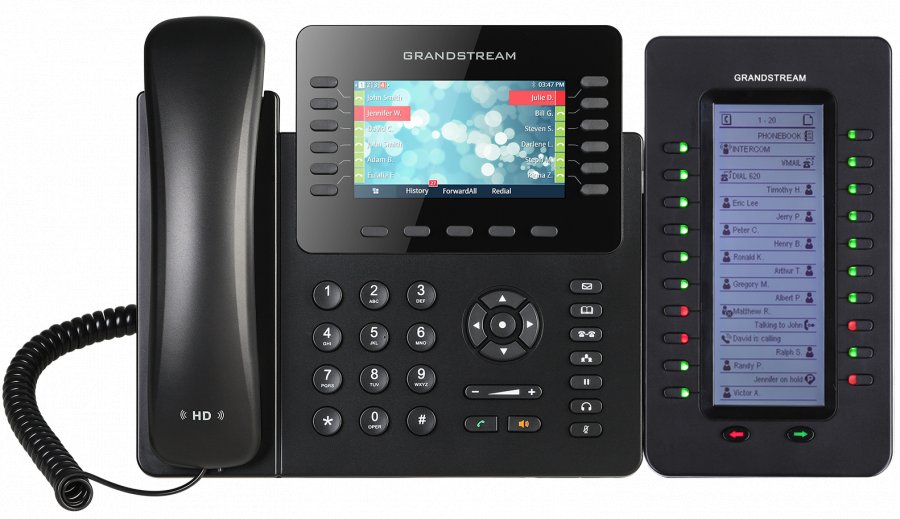
Businesses now prioritize smarter, feature-rich devices that foster seamless workflows. Programmable keys, high-definition audio, and intuitive interfaces allow users to personalize their phones for maximum productivity. When each device aligns with operational needs, communication becomes faster, clearer, and more effective across the board.
Supporting hybrid work models is another vital aspect. Reliable, scalable systems that work across multiple locations and devices ensure consistent quality and security. Cloud-managed solutions enable organizations to expand or modify their networks without disruptions, keeping communication smooth as the business evolves.
Finally, embracing these tailored telephony solutions enhances operational efficiency and customer satisfaction. When communication tools are aligned with strategic goals, response times improve, collaboration strengthens, and customer experiences become more positive. Modern telephony isn’t just about technology—it’s about empowering your team to communicate smarter and grow sustainably.
Practical Steps to Deploy Your Customized Telephony System
Implementing a tailored telephony system begins with a clear understanding of your organization’s specific communication needs. Start by analyzing existing workflows, call volumes, and remote work requirements to identify where customized features—such as programmable keys, call routing, or mobility support—can make a real difference. Selecting the right devices, like Grandstream’s IP phones and gateways, is crucial. Focus on options that support your key priorities, whether it’s high-definition audio, multi-line support, or Wi-Fi connectivity for remote users.
Once you’ve identified your needs, leverage cloud management platforms such as GDMS to simplify deployment and ongoing management. These tools allow you to configure, provision, and monitor all devices from a single interface, reducing errors and saving time. Running a pilot with a small team helps gather feedback, troubleshoot issues, and refine configurations before a full rollout, minimizing disruption and building confidence across your organization.
A comprehensive network assessment ensures your infrastructure can handle VoIP traffic reliably. Confirm that your internet bandwidth is sufficient and consider implementing Quality of Service (QoS) settings to prioritize voice data. Segregating voice traffic using VLANs can further improve call quality and security. Keep device firmware up to date and enforce strong security protocols to protect your system from vulnerabilities, ensuring smooth and safe operation.
Training staff on new devices and features is essential for successful adoption. Provide clear documentation and hands-on support, encouraging users to familiarize themselves with their tailored systems. A phased rollout, combined with ongoing support, minimizes downtime and frustration while empowering employees to utilize their new tools effectively.
Finally, establish a routine for ongoing management and evaluation. Regularly review performance metrics, gather user feedback, and stay updated on firmware and feature releases. This proactive approach ensures your telephony system continues to meet evolving business needs, maximizing its value as a strategic communication asset. By following these practical steps, you set the foundation for a reliable, efficient, and scalable communication infrastructure that supports your growth and success.
Embracing Innovation: Strategies for Future-Ready Telephony Solutions
As the landscape of business communication continues to evolve at a rapid pace, embracing innovative, customized telephony solutions is more vital than ever for maintaining a competitive edge. Cloud-managed devices and scalable IP phones are no longer optional extras; they form the backbone of a flexible, future-proof communication strategy. Investing in these tools today prepares your organization for greater agility, enhanced customer engagement, and seamless remote or hybrid workflows tomorrow.
Platforms like GDMS from Grandstream simplify management by enabling organizations to configure, monitor, and update their entire communication network from a single interface. This centralized control reduces deployment times, cuts operational costs, and makes scaling effortless. As your business expands or shifts, these systems adapt smoothly, ensuring your communication infrastructure keeps pace with your evolving needs.
Personalized features—such as programmable keys, high-definition audio, and seamless CRM integration—transform standard devices into strategic assets. These small but impactful adjustments lead to faster responses, streamlined workflows, and better service delivery. Over time, they translate into tangible improvements in productivity and customer satisfaction, reinforcing the value of tailored solutions.
In a fast-changing tech environment, continuous engagement is crucial. Regular upgrades, ongoing staff training, and active system monitoring help keep your telephony systems secure, reliable, and aligned with industry best practices. Staying updated on new features and security protocols ensures you benefit from the latest innovations while protecting sensitive data and maintaining operational integrity.
Hybrid deployment models, combining cloud management with on-premise hardware, offer the best of both worlds. They provide control and security alongside scalability and ease of updates. This flexibility allows organizations to adapt swiftly to new markets or remote work trends without sacrificing stability or performance.
Fostering a culture of ongoing improvement around telephony technology ensures your systems remain aligned with your strategic goals. Regular reviews, user feedback, and exploration of emerging features can identify new opportunities to optimize workflows further. Staying proactive keeps your organization connected, responsive, and ready for the future.
Ultimately, the smart adoption of tailored telephony solutions empowers your team to communicate more effectively, respond faster, and deliver superior service. These investments not only enhance current operations but also lay a strong foundation for sustainable growth, resilience, and innovation in an increasingly digital world.
Maximizing Efficiency with Role-Driven Device Customization
Tailored telephony devices can significantly boost communication efficiency by aligning features directly with user roles and workflows. When devices are customized with programmable keys, users gain instant access to their most-used functions, saving precious time during busy calls. For example, sales teams can assign speed dial buttons for key clients, enabling quick connections without navigating complex menus. These personalized setups streamline daily tasks and reduce frustration, especially for high-volume users who rely on quick, reliable access.
High-definition audio is another crucial enhancement. Clearer sound minimizes misunderstandings and reduces the need for call retries, speeding up decision-making and improving customer satisfaction. Devices with intuitive interfaces and straightforward navigation help new team members get up to speed faster, minimizing training time and errors. When everyone operates their device comfortably, overall communication quality improves across the organization.
Integration capabilities further amplify these benefits. Custom devices that support seamless connection with CRM systems, email platforms, or collaboration tools enable more fluid workflows. For instance, clicking a contact’s name in a CRM can directly initiate a call from the device, saving steps and reducing misdials. These integrations keep employees focused on their core tasks, rather than toggling between different apps, boosting productivity and responsiveness.
Matching device features to operational needs is essential. Customer service teams may prioritize auto-attendants and call routing, while remote workers need Wi-Fi support and remote provisioning. When devices are tailored to specific roles, users have the right tools to perform at their best, leading to faster response times, clearer communication, and more effective service delivery.
Investing in device customization transforms standard phones into powerful tools that support growth, agility, and a more connected workplace. When employees are equipped with devices optimized for their tasks, communication becomes more efficient, collaboration improves, and customer experiences are elevated. This strategic approach to device personalization turns everyday equipment into a key driver of organizational success.