Transforming Toronto yards into stunning, eco-friendly retreats is more than just aesthetics—it’s a bold step toward urban resilience and environmental responsibility. As city landscapes face unique challenges like heat islands and stormwater management, sustainable landscaping offers innovative solutions that blend beauty with practicality. Native plants, permeable materials, and smart water systems create resilient, low-maintenance outdoor spaces that support local ecosystems and reduce environmental impact. But how far can these practices go in shaping Toronto’s future? With advancing technology, eco-conscious materials, and community-driven initiatives, the landscape design of tomorrow promises to be more personalized, efficient, and impactful. As residential yards evolve into vital ecological assets, they become powerful symbols of responsible urban living. Will these green transformations be enough to meet the city’s growing environmental demands, or are we just at the beginning of a deeper ecological revolution? Either way, the future of sustainable landscapes is poised to redefine Toronto’s outdoor spaces.
Transform Your Toronto Yard Into an Eco-Friendly Oasis
Transforming Toronto yards into eco-friendly outdoor retreats isn’t just about creating beautiful spaces; it’s about designing with purpose and responsibility. As our city becomes more densely populated, residents are increasingly aware of how their outdoor environments impact the environment. From managing stormwater naturally to supporting local wildlife, sustainable landscaping offers practical ways to enhance beauty while contributing positively to Toronto’s ecosystem.
This shift toward eco-conscious yards is driven by the city’s unique climate and urban challenges. Limited space, heat islands, and frequent storm events demand innovative solutions that combine functionality with aesthetics. Native plants, water-efficient systems, and eco-friendly materials are now standard tools for creating resilient, low-maintenance landscapes that reduce costs and environmental impact. These practices are no longer just trends—they’re essential steps toward responsible urban living.
Toronto’s evolving landscape practices reflect a broader movement toward greener city living. Initiatives like the Toronto Green Standard encourage homeowners to adopt sustainable methods, transforming yards into active contributors to urban resilience. When thoughtfully designed, these outdoor spaces become peaceful havens for relaxation and recreation, while also serving as vital ecosystems that support biodiversity and improve air quality.
Many residents discover that eco-friendly landscaping doesn’t mean sacrificing style. Features like native plantings, rain gardens, and permeable paving add visual interest without harming the environment. Using recycled materials and water-saving technology makes these landscapes more manageable and cost-effective over time, proving that beauty and sustainability can go hand in hand.
As Toronto continues to grow, integrating sustainability into yard design becomes increasingly important. Planting native species, managing stormwater naturally, and choosing eco-conscious materials help create outdoor retreats that are both attractive and environmentally responsible. These efforts not only boost individual properties but also contribute to a greener, more resilient city for everyone.
By embracing these practices, homeowners turn their yards into more than just outdoor spaces—they become active parts of Toronto’s ecological future. Thoughtful, sustainable landscaping supports the city’s climate goals and helps foster a deeper connection to nature, making every outdoor retreat a step toward a healthier urban environment.
The Evolution of Sustainable Landscaping in Toronto
The development of sustainable landscaping in Toronto reflects a growing awareness of environmental challenges coupled with the unique demands of urban living. In the past, efforts focused on simple native plantings and water-saving techniques aimed at reducing maintenance and minimizing ecological impact. Over time, these basic practices have evolved into more sophisticated strategies, including rain gardens, eco-friendly materials, and the careful selection of native species tailored specifically to Toronto’s climate. This progression mirrors a larger cultural shift toward greener urban lifestyles, where residential yards are seen as active components of the local ecosystem rather than mere decorative features.
Toronto’s dense urban environment plays a pivotal role in shaping these sustainable practices. Limited space, increased pollution, and the city’s notorious heat island effect push residents and landscape professionals to develop innovative solutions that maximize functionality and ecological benefit. Incorporating native plants, managing stormwater naturally, and utilizing environmentally conscious materials not only address these challenges but also create resilient, low-maintenance outdoor spaces. City-led initiatives like the Toronto Green Standard have further encouraged homeowners to adopt eco-friendly choices, making sustainable landscaping more accessible and appealing across diverse neighborhoods.
The rise of environmental awareness and community activism has also driven innovation in landscape design. Grassroots programs and progressive policies emphasize supporting local wildlife, reducing urban heat, and improving air quality. As a result, many homeowners view their yards as opportunities to contribute meaningfully to ecological health—blending aesthetic appeal with environmental responsibility. This mindset shift extends beyond individual efforts, influencing urban planning and fostering a collective movement toward sustainability that is reshaping Toronto’s landscape.
Technological advances have significantly impacted how landscapes are designed and maintained. Smart irrigation systems equipped with weather sensors and low-impact, recycled hardscaping materials like reclaimed stone or biodegradable pavers are becoming standard features. These innovations help conserve water, reduce resource consumption, and create outdoor environments that are both functional and environmentally friendly. Native plant breeding and biotechnologies also support the development of species better suited to Toronto’s climate, requiring less water, fertilizers, and pesticides while promoting biodiversity.
Today, sustainable landscaping in Toronto is much more than a passing trend; it’s a core element of the city’s approach to responsible urban living. By prioritizing native species, eco-conscious materials, and innovative design principles, residents and professionals are transforming outdoor spaces into vibrant, ecological assets. These efforts contribute to local biodiversity, improve air and water quality, and foster stronger connections between residents and their environment. As the city continues to grow, integrating sustainability into yard design remains essential for building a resilient, healthier urban future.
Modern Norms for Eco-Conscious Outdoor Design in Toronto
Today’s landscape design in Toronto strikes a balance between visual appeal, practicality, and sustainability. Homeowners and professionals increasingly favor native plants that thrive naturally in the local climate, reducing the need for extra watering, fertilizers, and pesticides. These resilient species not only lower maintenance but also support pollinators and local biodiversity, making them a popular choice for eco-conscious yards. Replacing traditional lawns with native grasses and ground covers is another common approach, offering a lush look while conserving resources.
Permeable materials have become standard in hardscaping, helping to manage stormwater and prevent runoff. Recycled and reclaimed materials like gravel, permeable pavers, and natural stone are frequently used for pathways, patios, and driveways. These options improve drainage, reduce environmental impact, and add texture and character to outdoor spaces. Many designs now seamlessly integrate these eco-friendly materials, making sustainability an integral part of overall aesthetics.
Smart irrigation systems equipped with weather sensors and timers are now widespread. They optimize watering schedules, ensuring plants receive only what they need and minimizing waste during dry periods. Rain barrels and rain gardens further enhance water management by capturing runoff for reuse in the garden, helping yards stay lush while reducing reliance on municipal water sources. These features are carefully incorporated into the landscape to serve both functional and visual purposes without disrupting the design flow.
Plant layering and green screens are popular techniques for creating privacy, shading, and visual depth. Combining plants of various heights, textures, and colors not only makes yards more vibrant but also attracts beneficial insects and supports local ecosystems. These strategies turn ordinary outdoor spaces into lively habitats, blending beauty with ecological functionality. The result is a landscape that feels natural, inviting, and resilient to changing conditions.
Eco-friendly hardscaping continues to grow in popularity, with reclaimed wood, recycled pavers, and biodegradable materials leading the way. These choices provide durability and unique character while minimizing environmental impact. Designers focus on creating seamless transitions between natural and built elements, ensuring the overall look remains cohesive and inviting. This approach emphasizes that sustainability and style can coexist effortlessly.
Design standards now prioritize integrating these sustainable practices without sacrificing style or usability. The goal is to craft outdoor spaces that are not only beautiful and functional but also environmentally responsible. By adopting these norms, Toronto residents and designers create landscapes that are resilient, low-maintenance, and aligned with broader ecological goals. These principles guide professionals and homeowners alike toward responsible, innovative outdoor design.
In essence, Toronto’s current landscape norms reflect a shift toward more thoughtful, eco-conscious outdoor spaces. These practices support urban resilience, promote biodiversity, and foster a deeper connection with nature—all while delivering stunning, functional yards. As technology advances and environmental awareness grows, these standards will continue evolving, shaping outdoor environments that are as sustainable as they are beautiful.
Actionable Strategies to Create a Sustainable Outdoor Retreat
Transforming a Toronto yard into a sustainable outdoor retreat starts with selecting the right plants. Native species are a smart foundation because they’re naturally adapted to the local climate, which means they require less water, fertilizers, and pesticides. Not only does this approach support the environment, but it also reduces maintenance time and costs. Mixing plants that bloom at different times of the year adds visual interest and attracts pollinators, turning your yard into a lively, thriving ecosystem.
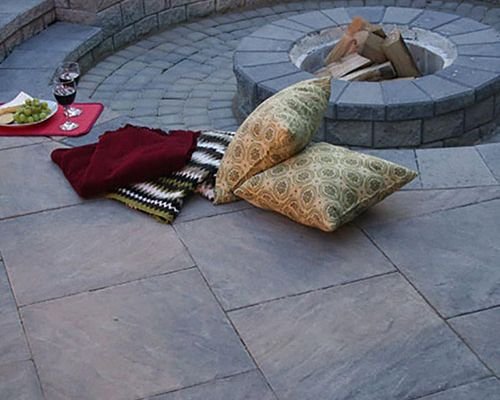
Hardscaping plays a crucial role in managing stormwater naturally. Using permeable materials like gravel, recycled stone, or permeable pavers allows rainwater to seep into the ground instead of pooling or washing away. These choices help prevent runoff pollution and reduce flooding risks while giving your landscape texture and character. Reclaimed or recycled materials for pathways and patios blend durability with eco-friendliness, creating a natural look that complements the environment.
Water management tools like smart irrigation systems with weather sensors ensure your plants only receive what they need, conserving water during dry spells. Incorporating rain barrels and rain gardens captures runoff, reusing it to nourish your garden. These features are seamlessly integrated into the landscape, supporting lush growth without over-reliance on municipal water sources. The result is a resilient yard that stays healthy while minimizing environmental impact.
Designing with purpose involves maximizing every inch of space. Multi-use elements, such as seating areas that double as garden beds or pathways that help drain excess water, make your yard more functional and inviting. Layering plants of various heights, textures, and colors creates visual depth and attracts beneficial insects, supporting local biodiversity. This thoughtful approach results in an outdoor space that’s both beautiful and adaptable to changing conditions.
Involving homeowners throughout the process ensures the landscape truly reflects their lifestyle and values. Whether they desire a low-maintenance yard, a private retreat, or a habitat for wildlife, understanding these preferences guides plant and material choices. Collaborating on design fosters a sense of ownership and ensures the final result is both satisfying and sustainable. When design and installation work harmoniously, the transformation is seamless and enduring.
Finally, focusing on maintenance strategies helps preserve the landscape’s beauty and ecological benefits over time. Regularly inspecting and adjusting irrigation, removing invasive species, and mulching around native plants keep the yard thriving. This ongoing care supports the initial goals of sustainability and aesthetics, ensuring your outdoor retreat remains vibrant and environmentally responsible year after year.
Shaping the Future of Toronto’s Landscape with Innovation and Resilience
Looking ahead, sustainable landscape design in Toronto is set to become even more innovative, driven by advancements in technology and evolving practices. Smart irrigation systems equipped with AI and sophisticated weather sensors will optimize watering schedules with incredible precision, drastically reducing water waste and promoting healthier plants. As these systems become more affordable and user-friendly, they’ll likely become standard in eco-friendly yards, making responsible water management effortless and effective.
Recycled and low-impact hardscaping materials are gaining traction, offering homeowners the chance to craft durable, stylish outdoor spaces with a smaller environmental footprint. Reclaimed concrete, biodegradable pavers, and recycled stone will enable more creative, sustainable designs that seamlessly blend natural and built elements. These materials support ongoing eco-conscious renovations, making future updates easier, more affordable, and aligned with green principles.
Renewable energy integration will also expand in outdoor landscapes, with solar-powered lighting and water features becoming commonplace. Solar lights and pumps not only cut energy costs but also eliminate emissions, creating tranquil, eco-friendly environments that enhance outdoor living without taxing the grid. These features add aesthetic appeal and tranquility, aligning beauty and sustainability in a unified vision.
Advances in native plant breeding and biotechnology promise more resilient, climate-adapted species that require even less water, fertilizers, and pesticides. These innovations will help landscapes withstand changing climate conditions while supporting biodiversity. Toronto’s native plants will become stronger allies in creating long-term, low-maintenance gardens that flourish naturally, reducing the need for intervention and fostering ecological balance.
Design approaches will become increasingly personalized as data-driven tools and smart technology allow landscape professionals to craft tailored outdoor spaces. Whether focusing on wildlife habitats, low-maintenance retreats, or community gardens, customization will be key. This shift ensures that sustainability is not a one-size-fits-all solution but a flexible practice that adapts to individual needs and environmental goals.
Urban resilience will take center stage, transforming yards into ecosystems that bolster biodiversity and help combat climate challenges. Features like native plant corridors, insect hotels, and bird-friendly gardens will become standard, enriching biodiversity and creating stronger connections between residents and nature. As policies and consumer awareness grow, the industry will prioritize eco-conscious products, ensuring responsible landscaping remains integral to Toronto’s urban development.
Ultimately, these innovations will shape outdoor spaces that are not only visually stunning but also actively contribute to environmental health and urban resilience. The convergence of technology, ecological understanding, and creative design promises a future where Toronto’s yards are more sustainable, adaptable, and inspiring than ever—making every outdoor space a vital part of building a greener, healthier city.