Nylon, a fiber woven into the fabric of modern life—from clothing to industrial materials—harbors a hidden environmental toll rooted in its petrochemical origins. Crafted through energy-intensive processes that rely heavily on fossil fuels, nylon production releases harmful chemicals and greenhouse gases, contributing to climate change and ecosystem pollution. Its durability, often celebrated, becomes a curse as nylon fragments persist in landfills for centuries, breaking down into microplastics that threaten marine life and human health worldwide. This ongoing contamination infiltrates the food chain, disrupting ecosystems and endangering communities. Despite advancements in recycling and bio-based alternatives, the scale of nylon’s environmental impact remains daunting. Are we truly aware of the long-term consequences embedded in the convenience of this ubiquitous material? Recognizing nylon’s complex costs urges us to rethink our reliance on synthetic fibers and push for sustainable innovations that can protect our planet’s fragile future.

Nylon’s Pervasive Presence in Daily Life and Its Hidden Environmental Costs
Nylon is one of those materials that quietly integrates into nearly every corner of our daily lives. Whether it’s the clothes we wear, the carpets under our feet, or the sports gear we rely on, nylon’s presence is almost invisible but undeniably pervasive. Its popularity comes from a handful of standout qualities: it’s strong yet flexible, affordable, and resistant to wear and tear. These traits make it a favorite among manufacturers and consumers alike, shaping how we dress, decorate our homes, and even engage in outdoor activities with gear that’s built to last.
This widespread use isn’t accidental. Nylon’s versatility stems from its unique chemical makeup and the complex manufacturing processes behind it. It’s a synthetic fiber created through a process called polymerization, where tiny molecules—monomers—are linked together to form long, durable chains. The most common method involves combining hexamethylenediamine and adipic acid, both derived from fossil fuels like oil and natural gas. These raw materials undergo a series of chemical reactions, starting with refining and processing fossil fuels, to produce the monomers needed for nylon. This reliance on non-renewable resources ties nylon’s existence directly to the fossil fuel industry, with significant environmental implications.
Once the monomers are produced, they are heated and reacted under controlled conditions, often with the application of pressure. During this process, condensation reactions release water as a byproduct, forming long polymer chains. These chains are then spun into fibers that can be woven into fabrics or used in industrial applications such as ropes, fishing lines, or carpeting. The entire process is energy-intensive, heavily dependent on electricity and heat generated from burning fossil fuels. This reliance not only increases greenhouse gas emissions but also links nylon’s manufacturing footprint to the environmental impacts of fossil fuel extraction and combustion.
The chemical makeup of nylon also brings environmental challenges beyond energy consumption. During production, harmful chemicals such as volatile organic compounds and nitrous oxide—an especially potent greenhouse gas—are released into the environment. These emissions can pollute surrounding air and water sources, affecting local communities and ecosystems. Despite advances in cleaner chemical processes, reducing these pollutants remains a significant challenge for the industry. The dependence on fossil fuels makes nylon’s production inherently unsustainable, as these resources are finite and environmentally damaging to extract.
Nylon’s durability is a double-edged sword. While it means products last longer and perform better, it also means the material persists long after its useful life ends. Discarded nylon doesn’t biodegrade easily; instead, it can linger in landfills for hundreds of years. Over time, it fragments into tiny microplastics—small enough to slip through filters and enter waterways. These microfibers are ingested by marine animals, often with fatal consequences. As they accumulate in the food chain, they pose a direct threat to human health, making nylon’s environmental footprint even more concerning.
The long-lasting nature of nylon waste creates a legacy of pollution that’s difficult to reverse. Microplastics from nylon fibers are now found in remote regions of the world, from the Arctic to deep ocean trenches, illustrating how thoroughly embedded this material has become in our environment. Marine life ingests these fibers, leading to injuries and sometimes death, which disrupts entire ecosystems. When humans consume seafood contaminated with microplastics, the health risks become personal and urgent. This interconnected chain emphasizes why addressing nylon’s environmental impact requires a global perspective and concerted action.
While solutions like recycling and bio-based alternatives are emerging, they’re not yet enough to counteract the widespread environmental damage. Recycling nylon waste reduces demand for virgin materials but faces infrastructure and cost barriers. Meanwhile, developing sustainable fibers that break down naturally in the environment is still in the research phase. Recognizing nylon’s pervasive role and hidden costs is the first step toward a future where this versatile material can serve us without harming the planet we depend on.
Unveiling the Chemical Roots and Industrial Processes of Nylon Production
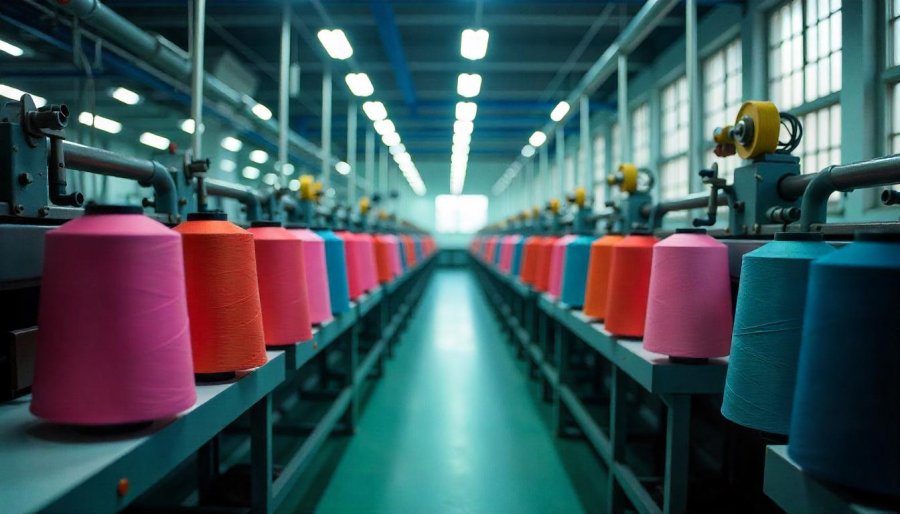
Nylon production begins with a chemical process called polymerization, where small molecules known as monomers are linked together to form long, durable chains. The most common method involves combining hexamethylenediamine and adipic acid—both derived from fossil fuels like crude oil and natural gas. These raw materials undergo complex chemical reactions, starting with refining and processing fossil fuels to produce the necessary monomers. Because of this dependency on non-renewable resources, nylon’s very existence is tied directly to the extraction and transformation of finite fossil fuels, which carries significant environmental costs.
The synthesis of nylon involves heating these monomers under carefully controlled conditions, often with the application of pressure. During this process, condensation reactions occur, releasing water as a byproduct and creating long polymer chains. These chains are then spun into fibers that can be woven into fabrics or used in industrial applications such as ropes, fishing lines, or carpeting. The entire process is highly energy-intensive, relying heavily on electricity and heat generated from burning fossil fuels. This dependence not only boosts greenhouse gas emissions but also connects nylon’s production footprint to the environmental impacts associated with fossil fuel extraction and combustion.
Chemical reactions during manufacturing also release harmful pollutants into the environment. Volatile organic compounds and nitrous oxide—an especially potent greenhouse gas—are emitted during production, contaminating nearby air and water sources. These emissions pose risks to local communities and ecosystems, contributing to air pollution and climate change. Despite advancements in cleaner chemical processes, reducing these pollutants remains a persistent challenge for the industry. The reliance on fossil fuels makes nylon’s manufacturing inherently unsustainable, as these resources are finite and environmentally damaging to extract.
Because nylon’s chemical makeup results in a durable fiber, its production is closely linked to environmental concerns beyond energy use. The process depends on non-renewable feedstocks, and the chemicals involved can be hazardous. The chemicals used and produced during synthesis pose risks to workers and nearby residents, with potential for chemical runoff and air pollution. As global energy demands grow and reserves diminish, the environmental footprint of nylon manufacturing becomes even more significant. This cycle underscores the contradiction at the heart of nylon: a material celebrated for its resilience, yet rooted in an industry responsible for considerable environmental degradation.
The dependence on fossil fuels extends into the broader impacts of nylon’s lifecycle. From extraction to processing, each stage consumes vast amounts of energy, contributing to greenhouse gas emissions that accelerate climate change. The chemical processes also produce waste and byproducts that can contaminate local water bodies and soil if not properly managed. Chemical runoff and air pollutants can harm aquatic life, wildlife, and human health, especially in communities near manufacturing plants. These environmental costs are often hidden behind the convenience and utility that nylon provides, but they are integral to understanding its true impact.
While some progress has been made through recycling initiatives and the exploration of bio-based alternatives, these efforts are still evolving. Recycling nylon waste reduces the need for virgin material and can lower environmental impact, but infrastructure limitations and high costs hinder widespread adoption. Researchers are also investigating sustainable fibers derived from renewable resources that could break down more quickly in natural environments. However, such innovations are still largely in development, and transitioning to these alternatives on a large scale poses significant challenges. Moving forward, addressing the origins and production methods of nylon is essential for aligning this ubiquitous material with broader sustainability goals and reducing its environmental toll.
The Far-Reaching Environmental and Social Impacts of Nylon Pollution
Nylon’s environmental footprint reaches far beyond its manufacturing stage, quietly shaping ecosystems, public health, and global sustainability efforts. As nylon waste accumulates in landfills and waterways, it sheds tiny fragments known as microplastics—particles so small they easily disperse through soil, water, and air. Marine animals often mistake these fibers for food, leading to internal injuries, blockages, and sometimes death. When these ingested microplastics enter the food chain, they pose a direct threat to human health, with contaminants bioaccumulating in seafood and other marine life. This silent buildup fuels the global plastic crisis, disrupting biodiversity and endangering ecosystems worldwide.
The damage caused by nylon isn’t limited to waste disposal. During production and disposal, harmful chemicals such as volatile organic compounds and greenhouse gases are released into the environment. Nitrous oxide, a potent greenhouse gas emitted during nylon manufacturing, accelerates climate change, while chemical runoff from factories can poison nearby water sources. These pollutants harm aquatic life, degrade air quality, and threaten the health of communities living near industrial sites. Despite technological advances, reducing these emissions remains a persistent challenge, highlighting the ongoing environmental costs associated with nylon’s lifecycle.
Because nylon is incredibly durable, it resists natural breakdown in landfills, lingering for centuries. Over time, it fragments into microplastics that spread through soil and water, infiltrating ecosystems far from their original source. These persistent particles disrupt natural processes and threaten wildlife, often causing injuries or fatalities when ingested by marine creatures. The difficulty of remediating this long-term pollution underscores the importance of rethinking waste management and material choices. The ongoing release of microplastics from nylon products means pollution persists long after their initial use, creating a legacy that’s hard to undo.
The interconnected impact of nylon extends to remote regions of the planet, from the Arctic to the deepest ocean trenches. Microplastics from nylon fibers are now part of the global environment, carried by wind and water across borders and ecosystems. Marine animals ingest these fibers, which can cause internal injuries, reproductive issues, and death, disrupting entire food webs. When humans consume seafood contaminated with nylon microfibers, the risks to health multiply, raising concerns about long-term exposure to microplastic-associated toxins. This chain of consequences illustrates how a single material can influence ecological stability and human well-being on a planetary scale.
Nylon’s contribution to the plastic crisis is compounded by the challenges of recycling and developing biodegradable alternatives. Recycling nylon waste reduces reliance on virgin resources, but infrastructure limitations and high costs hinder widespread adoption. Meanwhile, scientists are exploring bio-based fibers that could break down more quickly in natural environments, yet these options are still largely in development and often lack the performance needed for many applications. Transitioning to truly sustainable materials requires concerted effort, innovation, and policy support. Without these changes, nylon’s environmental toll will continue to grow, adding to the mounting pressure on ecosystems and communities worldwide.
Addressing nylon’s broader impacts calls for a comprehensive approach that integrates technological innovation, stricter regulation, and consumer awareness. Promoting recycling infrastructure and supporting research into sustainable alternatives can help reduce the flow of nylon microplastics into our environment. Public education campaigns can raise awareness about the importance of reducing single-use plastics and choosing eco-friendly options. Industry shifts toward sustainable practices are equally vital, with manufacturers adopting cleaner chemical processes and designing products for easier recycling or biodegradation. Only through coordinated action across sectors can the cycle of environmental harm associated with nylon be disrupted and its footprint minimized.
In the end, recognizing the full scope of nylon’s impact reveals a need for a fundamental shift in how we produce, use, and dispose of synthetic fibers. While nylon offers undeniable benefits in durability and affordability, its long-term environmental and social costs challenge us to rethink our reliance on fossil-fuel-based materials. Moving forward, a more sustainable approach involves embracing innovations that prioritize ecological health and human safety, ensuring that the conveniences of today do not come at the expense of tomorrow’s planet. The choices we make now will shape the resilience of ecosystems, the health of communities, and the future of sustainable development.