Imagine your car refusing to start at the worst moment—could neglecting a simple battery check be the culprit? This guide reveals how routine battery maintenance is your secret weapon for worry-free driving. Despite its vital role, many drivers overlook this small but crucial component, risking unexpected breakdowns, especially during extreme weather or short trips. Regular inspections—checking for corrosion, ensuring tight connections, and testing voltage—are quick, affordable steps that can extend your battery’s lifespan and prevent costly repairs. Are you aware of how seasonal changes accelerate battery aging or how a minor sign like dimming lights hints at trouble ahead? By making simple checks part of your routine, you gain peace of mind and keep your vehicle dependable, even in the harshest conditions. This proactive approach transforms potential roadside emergencies into manageable, predictable maintenance—because a little attention today saves stress tomorrow.

Protect Your Drive: Master the Art of Battery Maintenance
Your car’s battery is one of those components many drivers tend to overlook—until it suddenly fails. Yet, it’s arguably one of the most vital parts of your vehicle. A well-maintained battery ensures your car starts reliably, no matter the weather or how long it’s been sitting. Without a good battery, even the newest features and a smooth-running engine won’t matter if your car won’t turn over. That’s why paying attention to your battery’s condition is a simple step that can make a big difference in your driving experience.
Many drivers ignore battery care because it seems straightforward or low priority. But neglecting it can lead to unexpected breakdowns at the worst moments—like during a busy morning or in extreme weather conditions. Batteries don’t last forever; they weaken gradually over time. Small issues like corrosion or loose connections often develop quietly, making it easy to miss telltale signs of trouble. Taking a few minutes for routine checks can catch these early problems and save you from roadside emergencies.
Understanding how your battery works makes it easier to spot potential issues before they become serious. Most cars use lead-acid batteries made up of metal plates submerged in sulfuric acid. When you turn the key or push the start button, chemical reactions inside generate the electrical power needed to crank the engine. Once running, the alternator recharges the battery and powers your vehicle’s electronics. Recognizing this process helps you identify when something might be off—like sluggish starts or dimming lights—that could signal a weakening battery.
Keeping tabs on your battery doesn’t require special skills, but it does mean developing a habit of regular inspection. Simple visual checks—looking for corrosion around terminals, swollen cases, or leaks—can reveal a lot. Corrosion appears as a white, bluish, or greenish deposit that can interfere with electrical flow. Ensuring clamps are tight prevents loose connections that can cause starting problems. Cleaning corrosion with baking soda or a dedicated cleaner can restore proper contact. If the battery case is cracked or leaking, it’s time for a replacement. These small steps help keep your vehicle dependable and prevent minor issues from escalating.
A more accurate picture of your battery’s health comes from periodic testing with a voltmeter or load tester. These tools are affordable and straightforward to use. A healthy, fully charged battery should read around 12.6 volts when the engine is off. Lower readings suggest the battery is weakening and might need replacing soon. Catching this early is especially important in colder months, when batteries tend to struggle more. Many auto parts stores offer free testing, making it easy to stay on top of your battery’s condition without much hassle.
Extreme temperatures—both hot and cold—accelerate battery aging. Cold weather, in particular, hampers a battery’s ability to deliver enough power to start your engine, which explains why many drivers experience difficulties during winter. Short trips also contribute to battery drain, as the alternator may not have enough time to fully recharge after each start. Being aware of these factors allows you to plan maintenance and replacements before problems leave you stranded. Regular checks and awareness can help you avoid sudden breakdowns during the seasons when you need your car the most.
Incorporating battery checks into your routine maintenance doesn’t have to be complicated. Set a reminder to inspect your battery every three to six months—making it part of your regular car care. Whenever you open the hood, take a quick look at the terminals for corrosion and ensure clamps are tight. Check the physical condition of the battery for swelling, cracks, or leaks. If you notice anything unusual, address it promptly. These simple, consistent steps can extend your battery’s lifespan and keep your vehicle running smoothly, avoiding unexpected surprises.
Getting into the habit of routine battery checks makes vehicle reliability much easier to maintain. A quick visual inspection and periodic testing can save you time, money, and stress. When you stay proactive, small issues don’t have to turn into roadside emergencies. Instead, they become part of your regular car care routine—an easy way to keep your vehicle dependable and your drives worry-free. By paying a little attention now, you can enjoy the confidence of knowing your car is ready to go whenever you are. Proper battery care isn’t just maintenance; it’s peace of mind for every trip.

Decode Your Car Battery: Functions, Types, and Common Troubles
Your car battery is essentially the heart of your vehicle’s electrical system. It supplies the power needed to start the engine and keeps all your electronic features running smoothly once your car is on the road. Most vehicles rely on lead-acid batteries, which contain a series of metal plates submerged in sulfuric acid. When you turn the key or press the start button, chemical reactions inside generate the electrical current necessary to crank the engine. Once running, the alternator takes over, recharging the battery and powering your vehicle’s electronics. Understanding this process helps you recognize early signs of trouble—like sluggish starts or dimming lights—that could indicate a weakening battery.
In recent years, newer battery types like AGM (Absorbent Glass Mat) batteries have become more common, especially in vehicles with advanced electronic systems. These batteries are designed to be more durable, hold their charge longer, and perform better under demanding conditions. Knowing which type of battery your vehicle uses can inform your maintenance approach, ensuring you give it the care it needs to last. Despite the differences, all car batteries serve the same core purpose: storing and delivering electrical energy when your engine needs a boost. This fundamental function is what keeps your vehicle running reliably day after day.
Alongside their primary role, car batteries can encounter common issues that affect performance. Corrosion on the terminals, for example, appears as a white, bluish, or greenish deposit and can block electrical flow. Loose or corroded connections make it harder for your battery to deliver power efficiently, leading to slow starts or electrical glitches. Internal wear, such as damaged plates or reduced electrolyte levels, also diminishes performance. Recognizing these signs early allows you to address small problems before they escalate into costly repairs or roadside breakdowns.
Regular visual inspections are your first line of defense. When you pop the hood, check for corrosion around the terminals and ensure the clamps are tight—loose connections cause starting issues and electrical malfunctions. Cleaning corrosion with a mixture of baking soda and water, or a dedicated terminal cleaner, can restore good contact. Also, examine the physical condition of the battery: swelling, cracks, or leaks indicate deterioration and a need for replacement. Some batteries have removable caps, and checking the fluid level inside—topping up with distilled water if needed—can help extend their lifespan. These straightforward steps keep your battery functioning well and prevent unexpected failures.
To get a clearer picture of your battery’s health, periodic testing with a voltmeter or load tester offers valuable insight. A healthy, fully charged battery should read around 12.6 volts or higher when the engine is off. Lower readings suggest the battery is weakening and may soon need replacing. Catching these signs early, especially before winter, can save you from being stranded in cold weather when batteries naturally struggle. Many auto parts stores provide free testing, making it easy to monitor your battery’s condition without hassle. This proactive approach helps you plan replacements before unexpected failures occur.
Temperature extremes, both hot and cold, speed up battery aging. Cold weather in particular hampers a battery’s ability to deliver the necessary power to start your engine, which explains why winter often brings starting difficulties. Short trips also drain the battery, as the alternator doesn’t have enough time to fully recharge it after each start. Being aware of these factors enables you to schedule maintenance and replacements more effectively. Regular checks, combined with understanding your battery’s lifespan and stress points, help you avoid being caught off guard during busy or frigid seasons.
Incorporating routine battery checks into your regular maintenance is simple and highly effective. Set reminders every three to six months—making it a natural part of your overall car care. Every time you open the hood, take a moment to inspect the terminals for corrosion, ensure clamps are secure, and look for any physical signs of damage. If you notice anything unusual, address it promptly—cleaning terminals or tightening connections as needed. These small, consistent steps can significantly extend your battery’s lifespan and keep your vehicle dependable, reducing the risk of roadside surprises. When maintenance becomes an easy habit, your car’s reliability improves, and worry-free drives become the norm.
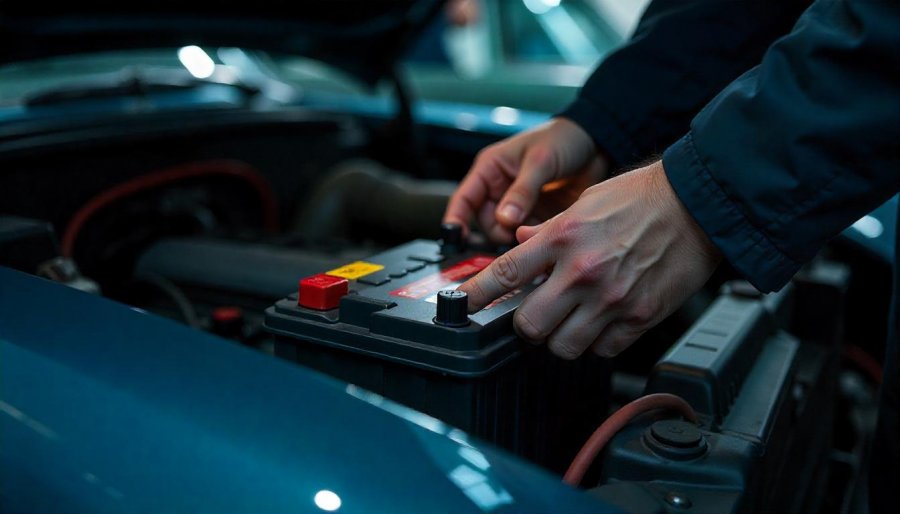
Make Battery Checks a Routine: Simple Steps for Reliable Performance
Incorporating battery checks into your regular vehicle maintenance doesn’t have to be complicated or time-consuming. The key is to build it into your routine so it becomes second nature—like checking your tire pressure or oil level. Setting reminders every three or six months, whether on your phone or calendar, helps ensure you don’t forget. When these checks are routine, they become a simple part of your overall car care, catching small issues before they turn into roadside emergencies.
Start with a quick visual inspection whenever you open the hood. Look for signs of corrosion around the terminals—those white, bluish, or greenish deposits—and clean them if necessary. Corrosion can block the flow of electricity, so removing it with a mixture of baking soda and water or a dedicated terminal cleaner can restore a solid connection. Also, ensure the clamps holding the battery are tight; loose connections can cause sluggish starts or electrical glitches. Taking a moment to secure the battery properly and remove corrosion is quick and makes a noticeable difference in reliability.
Next, examine the physical condition of the battery itself. Swelling, cracks, or leaks are clear signs that the battery is deteriorating and should be replaced soon. If your vehicle has removable caps, check the fluid levels inside and top them up with distilled water if needed—this can help older batteries last longer. These simple, routine checks help maintain optimal performance and prevent unexpected failures. When you address issues early, you’ll avoid being stranded, especially during colder months when batteries are under extra stress.
For a more precise assessment, periodic testing with a voltmeter or load tester provides valuable insight into your battery’s health. A healthy, fully charged battery should read around 12.6 volts or higher when the engine is off. If your readings are consistently below that, it’s a sign that the battery is weakening and may need replacing soon. Many auto parts stores offer free testing, making it easy to stay on top of your battery’s condition without much effort. Regular testing allows you to plan replacements proactively, saving you from surprise breakdowns when you least expect them.
Incorporating these checks into your routine doesn’t require a major overhaul of your schedule. Think of them as small, regular steps—just like checking your oil or tire pressure—that keep your vehicle dependable. With time, they become natural habits, and you develop an intuitive sense of your battery’s condition. When combined with other maintenance tasks, these simple inspections help extend your battery’s lifespan, reducing the chance of roadside surprises. Staying proactive with routine checks ensures your vehicle remains reliable and ready to start when you need it most, giving you peace of mind on every journey.