Step into the hidden world of the backyard mechanic, where passion, patience, and craftsmanship turn rusted relics into revived masterpieces. But what secrets lie behind this sacred ritual of restoration? This sanctuary isn’t just a workshop—it’s a personal retreat that embodies identity, resilience, and love for machines. Every bolt turned and tool organized reflects a deeper story of perseverance and transformation, transforming chaos into harmony. From the detailed layout of tools to the strategic lighting and emotional investment, these garages foster focus, pride, and continuous growth. How do these hidden details elevate a simple workspace into a true haven? The journey isn’t solely about the final machine but about the personal stories, setbacks, victories, and the emotional renewal that occur along the way. Ultimately, this space becomes a testament to the enduring human spirit, where rust turns to revival and passion fuels every turn of the wrench.
Discover the Sanctuary of Passion and Craftsmanship in Your Backyard Garage
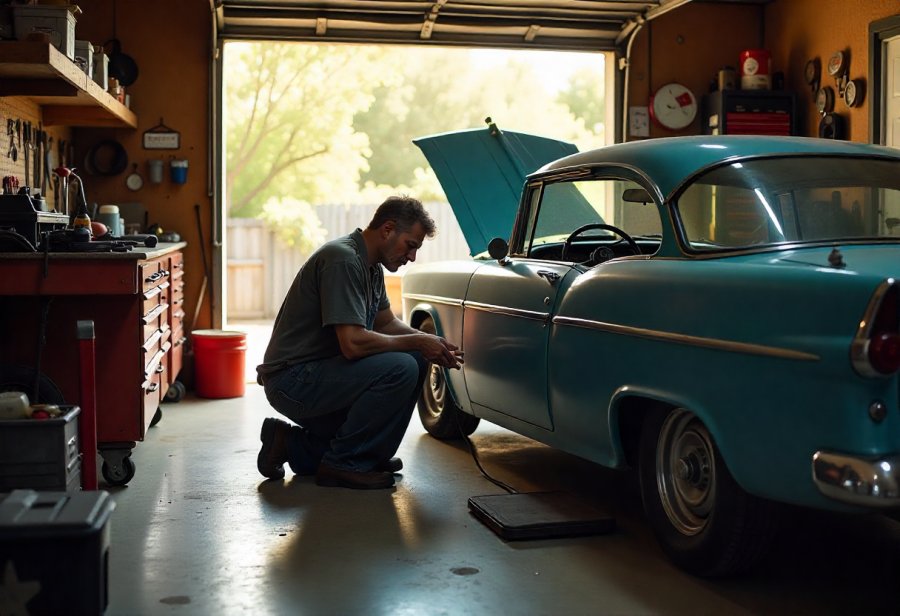
There’s something uniquely satisfying about stepping into a backyard mechanic’s garage. It’s more than just a space filled with tools and car parts; it’s a sanctuary where passion and craftsmanship come alive. The hum of an engine or the clang of a wrench becomes a quiet ritual—an intimate act of connection between the mechanic and their machine. Here, every bolt turned and every part replaced feels purposeful, transforming routine repairs into small acts of creation.
These garages often hold stories of patience, dedication, and transformation. They’re places where old, neglected machines are reborn through skill and perseverance. Restoring a vintage car or motorcycle isn’t just about fixing a machine—it’s about breathing new life into something with history and character. For many enthusiasts, their garage is a personal retreat, a space where time slows down and focus sharpens. It’s where they can forget the hustle of daily life and immerse themselves in the tactile pleasure of working with their hands.
The garage isn’t just a workshop; it’s a reflection of its owner’s identity. It’s a space filled with memories, hopes, and a deep love for mechanics. Whether it’s a childhood hobby passed down through generations or a new passion sparked by a desire to learn, the garage becomes a personal sanctuary. It’s where patience is practiced and skills are honed, often in quiet moments of solitary focus. In that space, the act of restoring a machine transforms into a ritual—one that nurtures both the machine and the mechanic’s spirit.
For many, the garage is a place of emotional significance. It’s where stories are written in grease, paint, and the quiet satisfaction of a job well done. The act of working on a vintage engine or polishing a classic body becomes more than just a task—it’s a form of meditation and self-discovery. This sanctuary offers a sense of purpose, pride, and continuity, connecting past and present through the love of craftsmanship. It’s a space where patience, perseverance, and passion turn rust into revival, making every project a personal transformation.
Unveiling the Cultural Heart and Features of a Mechanic’s Personal Workshop
A home garage dedicated to mechanics often resembles a personal museum—an organized chaos that reflects deep passion and a love for craftsmanship. Shelves line the walls, holding a well-worn collection of tools, vintage parts, and supplies arranged for easy access. Wrenches, screwdrivers, engine hoists, and diagnostic scanners are all within reach, each with its own designated spot. This setup isn’t just about efficiency; it’s a reflection of the owner’s dedication and desire to keep everything ready for the next project. Over time, these garages evolve into spaces that tell a story of patience, perseverance, and mechanical history.
Culturally, these garages symbolize self-reliance and skill. For many enthusiasts, they’re passed down through generations or built up over years of dedicated hobbyist work. Whether restoring vintage cars or rebuilding engines, these spaces serve as retreats from daily life, where focus and patience come naturally. They become personal sanctuaries filled with memories, hopes, and a deep connection to machines. Each dent, rust spot, or shiny new part adds to the narrative of love for craftsmanship, making the garage more than just a workshop—it becomes a haven of identity.
The passion for vintage machines runs deep in this scene. Restoring an old vehicle isn’t merely a hobby; it’s a way to preserve history and keep alive traditional skills. Every bolt turned and every part cleaned or replaced is a step in a journey, transforming neglected relics into works of art. This process demands patience and an eye for detail, as rust and missing components are common hurdles. Overcoming these challenges not only improves technical skills but also deepens emotional investment, turning each project into a personal story of perseverance.
Features that define a good garage go beyond just tools. Bright LED lighting reduces shadows and enhances precision, while pegboards keep tools visible and accessible. Sturdy workbenches provide a reliable foundation for detailed tasks, and specialized equipment like parts washers or air compressors help speed up projects and elevate quality. These elements create an environment where craftsmanship can flourish, turning clutter into organized inspiration. Every detail, from storage solutions to lighting choices, supports the mechanic’s dedication and passion.
Beyond practicality, these garages foster connection—between past and present, tradition and innovation. They’re places where skills are passed down, stories are shared, and new techniques are learned. Working in this space becomes a mindful act, a way to disconnect from digital distractions and reconnect with tangible craftsmanship. Whether it’s a weekend project or a long-term restoration, the garage becomes a personal retreat where patience, dedication, and love for machines come together, elevating it from a simple workshop to a true sanctuary of passion.
Strategic workspace design plays a crucial role. Bright lighting, organized tool storage, and reliable surfaces encourage focus and reduce frustration. Small touches like magnetic strips or custom trays keep parts within reach, making every step smoother. These thoughtful choices turn a cluttered shed into a sanctuary where focus and creativity thrive—a place where rust is transformed into revival, and old machines become stories of passion reborn.
In essence, a home garage dedicated to mechanics is more than just a space for repairs—it’s a hub of personal history and craftsmanship. It embodies patience, resilience, and a love for machines that spans generations. Each project completed adds to a legacy of skill and dedication, making the garage not just a workshop, but a vital part of its owner’s identity. It’s a space where rust turns to revival and passion fuels every turn of the wrench, creating a sanctuary that celebrates the art of restoring and the joy of creation.
Unlocking Hidden Secrets That Transform a Garage Into a Craftsmanship Sanctuary
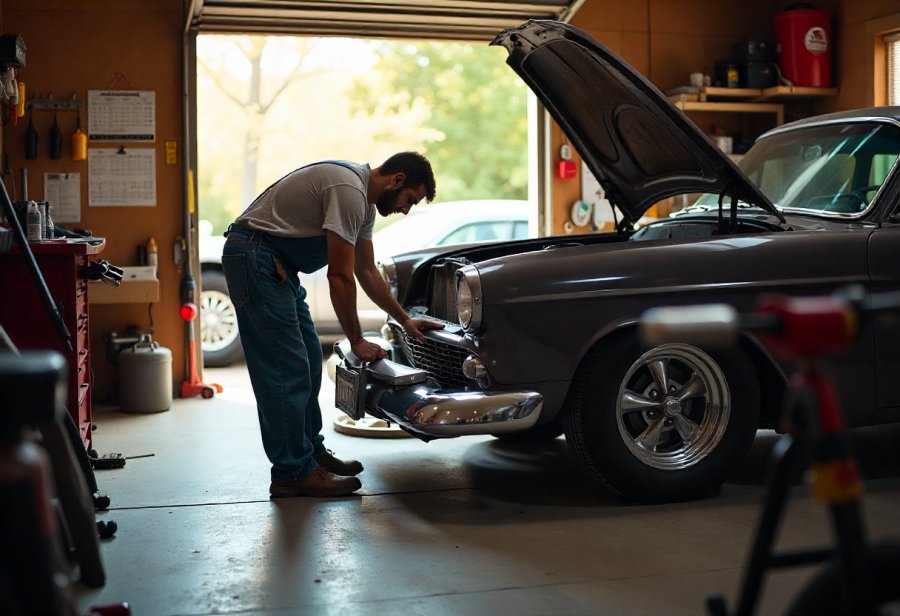
Behind every great garage sanctuary lie subtle yet powerful details that often go unnoticed but make all the difference. A carefully arranged tool wall, for example, isn’t just about organization—it reflects a mechanic’s mindset and respect for their craft. Magnetic strips, custom trays, and labeled containers keep small parts and fasteners within easy reach, preventing frustration and wasted time. Such thoughtful touches streamline workflow, turning what could be chaos into a space where focus and creativity flourish.
Lighting plays a crucial role in transforming a garage into a true haven. Bright, shadow-free illumination—often achieved through LED setups—helps mechanics see every detail clearly, whether they’re inspecting a tiny bolt or painting a vintage panel. Good lighting reduces eye strain and boosts precision, fostering a calm, confident atmosphere. When combined with well-placed workbenches and sturdy storage solutions, these elements create an environment that encourages patience, craftsmanship, and pride in every task.
The emotional drive behind these hidden practices is what truly sustains a mechanic’s sanctuary. Passion fuels late-night wrenching sessions, setbacks become opportunities for problem-solving, and every small victory reinforces the love for machines. Restorers often document their process with photos or notes, turning challenges into learning moments and making the journey more rewarding. This dedication transforms a simple workspace into a personal retreat—a space where perseverance turns rust into revival, and skill becomes art.
Creating a space that fosters focus also involves strategic layout choices. Clear pathways, designated zones for different tasks, and dedicated areas for parts cleaning or electrical work keep the garage organized and efficient. These deliberate arrangements help mechanics stay immersed in their projects, minimizing distractions and maximizing productivity. When every tool and surface is optimized for purpose, the garage elevates from a cluttered shed to a sanctuary of mastery.
Beyond practicality, these secret elements cultivate a mindset of patience and precision. Every detail—be it a well-placed light, a labeled drawer, or a clean work surface—serves as a reminder of the craft’s value. The environment becomes a reflection of the mechanic’s love for their work, inspiring continuous learning and dedication. This harmony between function and passion turns restoration into a meditative act—an ongoing journey of skill, patience, and personal growth.
Ultimately, the magic of a garage sanctuary is in the details that support the big picture. When organization, lighting, and layout are thoughtfully crafted, they nurture a space where rust is transformed into revival and old machines become stories of passion reborn. These hidden secrets create more than just a workshop—they forge a personal haven where craftsmanship, patience, and love for machines come together in perfect harmony.
Navigating Costs and Budget Strategies for Restoring Your Mechanical Haven
Restoration projects in the garage can vary widely in cost, depending on the scope and the condition of the machine you’re working on. A simple tune-up or cosmetic refresh might only require a few hundred dollars for parts and basic supplies. But when you get into full-scale restorations of vintage cars or engines, expenses can quickly climb into the thousands. The biggest costs often come from sourcing rare or hard-to-find parts, investing in specialized tools, or hiring professional help for complex tasks beyond DIY reach.
Having a clear budget from the start helps keep the process enjoyable rather than stressful. It’s easy to underestimate costs, especially when unexpected issues like rust or missing components pop up mid-project. Planning ahead, setting priorities, and remaining flexible with choices can make a big difference. Many enthusiasts find that hunting for deals—buying secondhand, swapping parts, or sourcing from online communities—can stretch their dollars further. These strategies keep restoration accessible and turn a costly hobby into an affordable passion.
For many, the value of restoring a vintage machine isn’t solely in the final result but also in the experience of the journey. The pride that comes with breathing new life into something neglected often outweighs the price tag. Still, tracking expenses and sticking to what truly excites you prevents costs from spiraling out of control. Focusing on projects that inspire keeps the process rewarding and your garage a true sanctuary of craftsmanship.
Investing in quality tools and authentic parts may require a bigger upfront spend, but it pays off over time. Reliable tools make work safer and more precise, while genuine parts ensure durability and authenticity. These investments elevate your workspace from basic to professional-quality, boosting your confidence and the quality of your work with each project. Building a well-equipped garage sets the stage for continuous growth as a craftsman.
Starting with smaller projects and gradually scaling up allows you to manage costs more effectively. Tackling manageable restorations first helps you learn what tools and parts are essential without overextending financially. Over time, you develop a better sense of where to invest and how to optimize your resources. This approach nurtures a space dedicated not just to repairs but to skill-building and personal progress.
The true value of a garage restoration goes beyond the machine’s revival. It’s about the memories created, the skills gained, and the confidence built along the way. Every dollar spent and obstacle overcome adds to your knowledge and sense of achievement. Balancing your budget with your passion ensures the journey remains fulfilling rather than burdensome, keeping your garage a sanctuary where craftsmanship and love for machines thrive.
In the end, the cost of restoring a vintage machine is a small price to pay for the satisfaction and personal growth it offers. When expenses are managed wisely, each project becomes a rewarding investment in your skills and your passion. Your garage transforms from a simple workshop into a haven of patience, perseverance, and craftsmanship—a space where rust turns into revival and every effort fuels your love for mechanics.
Real-Life Impact: How Garage Restoration Fuels Daily Life and Personal Fulfillment
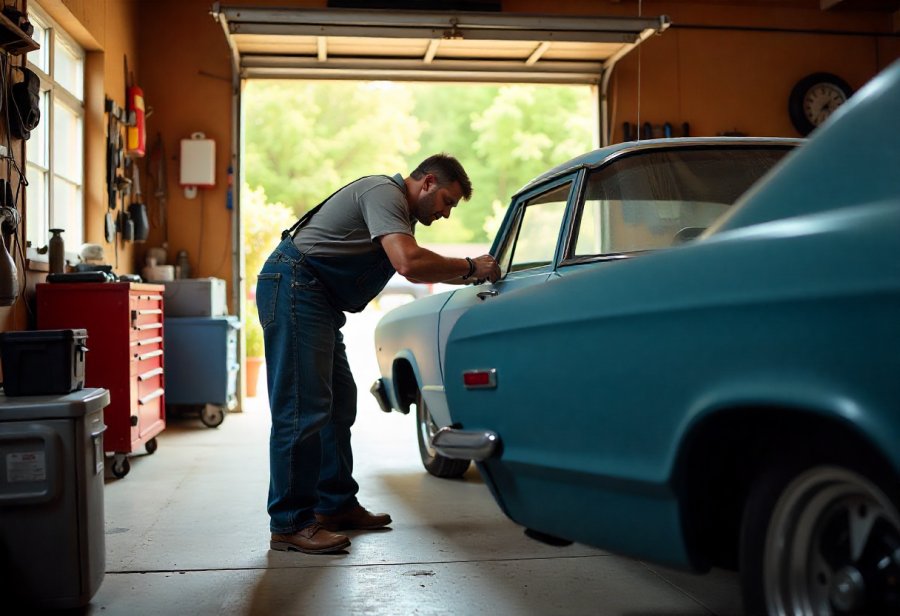
Working on vintage machines in the garage often goes beyond being just a hobby; it shapes daily life and nurtures personal growth. Many enthusiasts find that their garage becomes a sanctuary where they can escape the chaos of everyday routines. Focusing on restoring a classic car or rebuilding an engine offers a sense of purpose and calm that’s hard to find elsewhere. Each small step forward—whether fixing a stubborn rust spot or tuning an engine—boosts confidence and creates a tangible sense of achievement that carries into other areas of life.
Spending time in the garage also provides a mental reset. The act of wrenching on a vintage machine demands patience and concentration, serving as a form of mindfulness. It’s a moment to disconnect from screens and digital distractions, helping to clear the mind and reduce stress. Over time, many find that these sessions become a weekly ritual—a reliable way to unwind and regain focus. The satisfaction of overcoming setbacks and celebrating victories in the workshop translates into a renewed sense of resilience outside it.
Stories of transformation illustrate how these projects impact lives. Take Mark, who dedicated months to restoring a rusted pickup truck. The process was fraught with setbacks, but each small victory—finding the right part or fixing a stubborn weld—became a personal win. When he finally started the engine after the rebuild, it wasn’t just about the machine; it was a moment of pride that boosted his confidence in tackling challenges elsewhere. For Mark, the garage became a space of emotional renewal, proof that perseverance and patience pay off.
For others like Lisa, the garage is a communal space that strengthens bonds. She revived an old motorcycle, turning her cluttered backyard into a workshop that connected her with a larger community of enthusiasts. Sharing her progress online and exchanging tips fostered a sense of belonging and purpose. These projects often evolve into social experiences, creating friendships and traditions that deepen the love for craftsmanship and give new meaning to the act of restoration.
Ultimately, the garage becomes more than a workshop—it’s a place where passion, patience, and perseverance come together to shape personal stories. Every project, every challenge overcome, adds to a sense of fulfillment and resilience. Restoring a machine isn’t just about the end result; it’s about the journey of growth it inspires. In that space, rust turns to revival, and old machines become symbols of love, dedication, and transformation that resonate far beyond the workbench.