Imagine transforming your organization’s communication with tailored, seamless solutions—are you ready to unlock this potential? Grandstream’s innovative telephony devices are revolutionizing how businesses manage networks, offering high-definition audio, flexible deployment options, and centralized cloud management through platforms like GDMS. This enables quick, remote configuration and monitoring across multiple locations, reducing costs and minimizing downtime. But beyond hardware, the true power lies in customization—auto-attendants, programmable keys, and integrations that align perfectly with unique workflows. Could this blend of adaptability and efficiency be the key to future-proofing your enterprise? As traditional systems give way to scalable, internet-based networks, organizations must ask whether their current infrastructure will support rapid growth and hybrid work demands. With Grandstream’s solutions, businesses are not just staying connected—they’re transforming their entire communication ecosystem, becoming more agile, resilient, and ready to thrive in a competitive digital landscape.
Transform Your Business Communication with Customizable Telephony Solutions
In today’s fast-moving business landscape, clear and reliable communication isn’t just a nice-to-have—it’s a necessity. Companies need systems that can adapt swiftly to changing demands, support remote and hybrid teams, and grow alongside their operations. Off-the-shelf telephony solutions often fall short because they lack the flexibility to handle unique workflows or scale efficiently. That’s where customizable telephony solutions shine, offering tailored call flows, auto-attendants, and integrations that match a business’s specific needs.
Thanks to rapid technological advances, building a flexible communication infrastructure has become more accessible than ever. Modern IP-based systems leverage the internet to unify voice, video, and data, enabling organizations to automate routine tasks and seamlessly connect various platforms. These solutions empower businesses to respond faster to customer needs, improve service quality, and streamline internal processes—without the hefty costs of traditional upgrades. By customizing these systems, companies can create a communication environment that supports growth and agility.
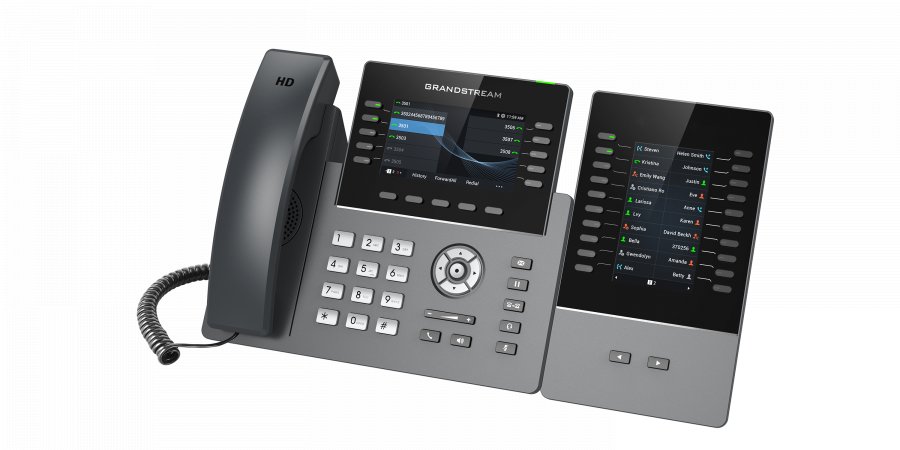
Devices like Grandstream’s IP phones are at the core of this transformation. They deliver high-definition audio, support multiple SIP accounts, and feature programmable keys that can be tailored for different roles. Their built-in Wi-Fi and Bluetooth capabilities mean they can be deployed almost anywhere, reducing infrastructure costs and supporting flexible work arrangements. When paired with cloud management platforms such as GDMS, these devices become easy to configure, monitor, and update remotely—making deployment across multiple locations straightforward and efficient.
This shift from conventional landlines to digital, IP-driven solutions reflects a broader industry move toward more scalable and resilient networks. Traditional analog systems were limited in features and difficult to upgrade, often leading to costly and disruptive overhauls. Today’s digital solutions, powered by the internet, offer richer, more responsive experiences that can be customized to fit evolving business needs. Cloud-based management further simplifies ongoing maintenance, allowing organizations to adapt their communication strategies on the fly with minimal disruption.
Implementing a customized telephony system begins with understanding your unique operational needs. Analyzing workflows and identifying pain points helps ensure your investment delivers tangible benefits. Choosing the right combination of devices—like Grandstream’s versatile IP phones—lays a strong foundation. From there, cloud management platforms enable quick deployment, easy configuration, and ongoing management, turning complex setups into straightforward, manageable systems. This proactive approach ensures your communication infrastructure evolves alongside your business, keeping you connected and competitive every step of the way.
Core Principles and Benefits of Tailored Telephony Systems
Customized telephony solutions rest on a foundation of core principles like flexibility, scalability, and seamless integration. These systems combine hardware components such as IP phones, gateways, and specialized devices with sophisticated software platforms that manage call routing, user interfaces, and system settings. The main advantage of this approach is the ability to tailor every aspect of the communication environment to fit a business’s unique operations—whether that’s designing complex call flows, automating routine tasks, or connecting with other digital tools like CRM systems. This level of customization not only boosts operational efficiency but also creates a communication system that feels intuitive and responsive to users.
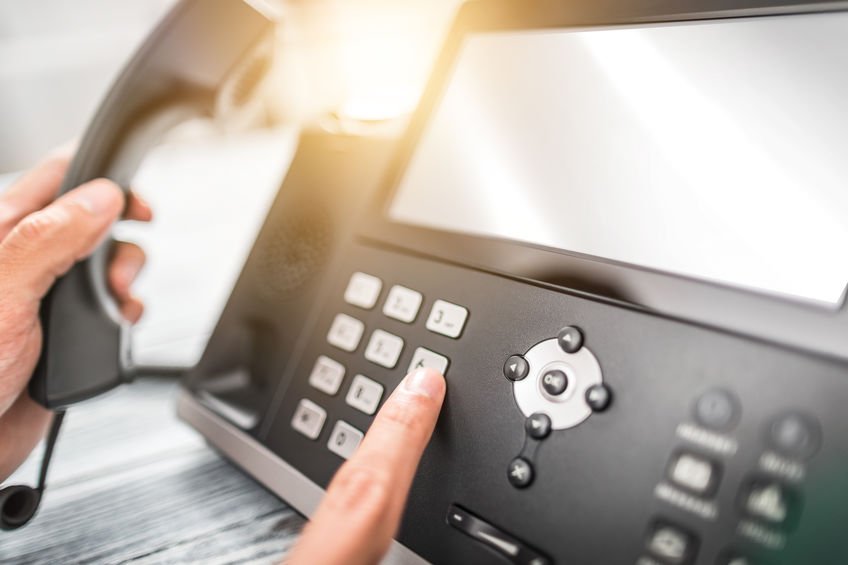
At the heart of these solutions are IP phones and endpoints, like those from Grandstream, engineered to deliver high-definition audio and support a variety of flexible features. These devices often come with programmable keys, customizable interfaces, and support for multiple SIP accounts, making them adaptable to different roles within an organization. Thanks to built-in Wi-Fi and Bluetooth capabilities, they can be deployed almost anywhere, reducing the need for extensive physical infrastructure and supporting remote or hybrid work models. This flexibility ensures that your communication setup can grow and evolve in tandem with your business without requiring costly upgrades.
The shift from traditional landlines to digital, IP-based systems reflects a broader industry move toward more agile, scalable networks. Older analog systems were limited in features and difficult to update, often making them unsuitable for modern, fast-paced workplaces. Digital PBXs improved call management but still depended heavily on physical infrastructure. Today’s IP solutions leverage the internet to unify voice, video, and data, enabling automation of routine processes and effortless connectivity between various systems. Cloud-managed telephony enhances this flexibility further by allowing remote configuration, monitoring, and updates, which simplifies management and minimizes downtime.
Choosing the right components involves understanding your specific workflows and operational goals. Features such as auto-attendants, call routing, and presence indicators should be customized to match your organization’s structure. For example, auto-attendants can be programmed to direct customer calls efficiently based on department or time of day, while programmable keys offer quick access to frequently used numbers or integrated CRM data. These personalized features improve responsiveness, reduce miscommunication, and create a user experience that feels natural and efficient for your team.
Implementing a tailored telephony system also requires selecting compatible hardware and software that align with your existing systems. Industry standards like SIP ensure interoperability across devices and platforms, making future upgrades smoother. Security remains a top priority—encrypting conversations, controlling access, and applying regular firmware updates help safeguard sensitive data and maintain trust. Centralized management platforms such as GDMS from Grandstream make it easy to oversee multiple devices, perform updates, and troubleshoot remotely, especially across dispersed locations or large deployments.
Ultimately, the combination of these core principles—flexibility, integration, security, and ease of management—creates a robust foundation for enterprise telephony. This approach allows organizations to develop communication networks that are not only tailored to their current needs but also prepared to support future growth and technological advancements. By focusing on these fundamentals, businesses can build reliable, efficient, and scalable systems that turn everyday interactions into strategic assets, ensuring they stay connected, responsive, and competitive in an increasingly digital world.
Revolutionize Business Connectivity with Grandstream’s Innovative Devices
Grandstream’s innovative devices are redefining how businesses manage communication and optimize network performance. Their IP phones and endpoints are engineered not just for high-quality voice delivery but also for seamless integration into scalable, modern networks. This means organizations can deploy these devices across multiple locations with confidence, knowing they will work together reliably and securely.
One of the standout features of Grandstream’s portfolio is their cloud management platform, GDMS. It allows IT teams to configure, monitor, and update hundreds or even thousands of devices from a single dashboard. This centralized control simplifies maintenance, reduces operational costs, and accelerates deployment times—key advantages for growing businesses or those managing multiple offices.
The cloud management capability also supports real-time updates and remote troubleshooting, minimizing downtime and avoiding logistical challenges associated with on-site device management. Whether adding new devices or making adjustments to existing ones, organizations can do so quickly and effortlessly, regardless of their physical location. This flexibility is especially valuable in today’s hybrid work environment, where remote setup and management are often necessary.
Grandstream’s mass deployment devices, like the GRP series, are designed for large-scale rollouts. These phones support auto-provisioning and centralized control, enabling quick, consistent deployment across teams. Such uniformity reduces configuration errors and ensures every user experiences high-quality, reliable communication. For organizations aiming to expand rapidly, these devices provide a scalable, future-proof solution that can keep pace with their ambitions.
Network optimization is another core strength of Grandstream’s offerings. Many devices come equipped with built-in Wi-Fi and Bluetooth, providing deployment options that cut costs and reduce physical infrastructure requirements. This flexibility not only streamlines installation but also supports remote and hybrid work setups by ensuring stable connectivity regardless of location. Enhanced security features like encryption and secure access controls protect conversations, while Quality of Service (QoS) settings prioritize voice traffic during busy periods, maintaining clarity and call reliability.
What sets Grandstream apart is their agility in addressing evolving business needs. Whether supporting remote workers with softphone apps, integrating with customer relationship management systems, or scaling up with mass deployment hardware, their devices adapt effortlessly. Easy setup and management mean less time troubleshooting and more focus on core operations, translating into higher productivity and smoother workflows.
In an increasingly competitive landscape, efficient communication forms the backbone of success. Grandstream’s devices make it possible to create a resilient, flexible, and intelligent communication environment. They turn what could be a logistical challenge into a strategic advantage—helping organizations stay connected, agile, and ready for future growth.
By leveraging these tools, businesses can not only enhance their immediate communication and network management but also lay a solid foundation for ongoing innovation. Grandstream’s solutions empower organizations to navigate the complexities of modern connectivity confidently, ensuring their networks remain efficient, secure, and scalable—today and into the future.
Step-by-Step Guide to Deploying Your Customized Telephony System
Starting the process of implementing a customized telephony system begins with a clear understanding of your organization’s unique communication needs. Take the time to analyze current workflows, identify pain points, and pinpoint areas where automation or better call routing could make a real difference. This upfront assessment helps ensure your investment aligns with your operational goals and sets the stage for a smoother deployment.
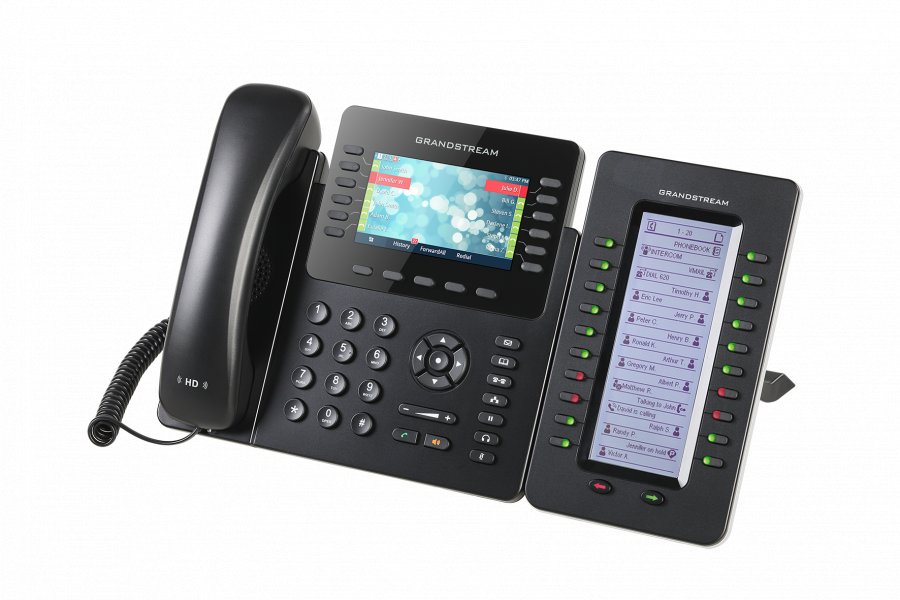
Once you have a clear picture of your requirements, selecting the right Grandstream devices becomes straightforward. The company offers a diverse range of IP phones and endpoints tailored for various roles—from simple phones for individual users to advanced models equipped with programmable keys and built-in Wi-Fi for more complex setups. Consider your team size, call volume, and future growth plans to choose devices that will scale alongside your business, avoiding the need for frequent replacements or upgrades.
Using cloud-based management platforms like GDMS streamlines the deployment process significantly. Instead of configuring each device manually on-site, you can centrally control all phones through a single dashboard. This setup allows for quick configuration, consistent settings across devices, and easy updates—saving time and reducing errors. Remote management means you can troubleshoot issues or make adjustments without disrupting daily operations, which is especially beneficial for multi-location organizations or remote teams.
Personalizing features such as auto-attendants, call routing, presence indicators, and speed dials ensures the system works naturally within your workflows. Auto-attendants can be programmed to direct calls based on department or time of day, improving customer experience and reducing wait times. Programmable keys give staff instant access to critical numbers or integrated CRM data, boosting efficiency and responsiveness. These tailored features transform the telephony system from a generic tool into a seamless extension of your business processes.
Before rolling out the new system organization-wide, conduct thorough testing in a controlled environment. This step helps identify potential issues with configuration, compatibility, or call quality, allowing you to fine-tune settings before full deployment. Proper testing ensures reliable performance from day one, minimizes disruptions, and builds confidence among your team. It also provides an opportunity to train staff on new features, making adoption smoother and more intuitive.
Finally, a successful implementation relies on ongoing management and optimization. Regular firmware updates, security patches, and monitoring via GDMS keep the system secure and performing at its best. As your business evolves, revisit your workflows and device configurations to adapt your telephony environment accordingly. This proactive approach ensures your communication infrastructure remains efficient, scalable, and aligned with your strategic growth, turning your tailored system into a true competitive advantage.