Imagine transforming your communication infrastructure into a flexible, highly customizable powerhouse—yet, how many organizations truly harness the potential of tailored telephony solutions? Grandstream’s innovative devices, like their versatile GRP series IP phones, exemplify this future, offering high-definition audio, intuitive interfaces, and centralized management through platforms like GDMS. This enables rapid deployment, effortless scaling, and remote troubleshooting, turning complex networks into strategic assets. But as systems grow more sophisticated, security and interoperability become critical challenges. Are your current solutions capable of seamlessly adapting to evolving needs while safeguarding sensitive data? By embracing a shift from static setups to dynamic, cloud-managed ecosystems, organizations can boost productivity, improve user experience, and maintain high call quality—even during peak times. The question remains: how will your organization leverage these advancements to stay ahead in today’s digital-first world?
Transform Your Business Communications with Customizable Telephony Solutions
In today’s fast-moving business landscape, communication systems are more than just about making calls—they’re about creating flexible, tailored environments that support unique workflows and organizational needs. Customizable telephony solutions enable businesses to shift away from generic devices and develop networks that truly fit their operations. Whether it’s selecting phones with specialized features or integrating management tools that streamline deployment, customization helps ensure your communication infrastructure works as an asset rather than a bottleneck.
This shift toward personalized telephony isn’t just a trend; it’s a strategic response to diverse industry demands. Healthcare providers, for example, require quick access to emergency features, while educational institutions benefit from user-friendly devices for staff and students. Customer service centers, on the other hand, need tools that enhance call handling and improve overall efficiency. By tailoring solutions to these varied needs, organizations can boost productivity, improve satisfaction, and create a more seamless communication experience.
The real power of customization extends beyond hardware to how systems are managed and scaled. Cloud-based platforms like Grandstream’s Device Management System (GDMS) allow IT teams to remotely configure, monitor, and update a vast number of devices. This centralized control makes it easier to deploy new equipment across multiple locations, troubleshoot issues quickly, and keep systems secure—all without the logistical headache of manual setups. As businesses grow or adapt, these flexible management options ensure their communication networks can evolve smoothly alongside their operations.
Devices themselves have also advanced significantly. Modern IP phones now support high-definition audio, touchscreens, and interfaces that can be personalized for different roles. These features enable users to work more efficiently and adapt their devices to specific tasks or workflows. Support for network optimization tools like Quality of Service (QoS) and traffic monitoring ensures high call quality regardless of network congestion, maintaining professionalism and customer satisfaction even during peak times. This hardware evolution reflects a broader move toward smarter, more adaptable communication tools.
Embracing customizable telephony solutions transforms your entire communication system from a static setup into a dynamic, strategic asset. It allows organizations to stay agile, respond swiftly to changing demands, and support future growth. By investing in systems designed for flexibility and control, businesses can create a seamless, reliable network that not only meets today’s needs but also lays the groundwork for innovation and expansion tomorrow. This approach turns communication infrastructure into a competitive advantage—an essential component for thriving in today’s digital-first world.

Building a Resilient Future: The Evolution of Telephony Technology and Standards
Telephony technology has evolved dramatically over the past few decades, transitioning from simple landline systems to sophisticated internet-based solutions. Today’s communication networks rely heavily on digital protocols that convert voice into data, enabling seamless transmission over local networks or the cloud. This shift has transformed traditional voice calls into flexible, integrated communication environments that support dynamic business needs.
A key driver of this transformation is the adoption of standards like SIP, or Session Initiation Protocol. SIP acts as the backbone for many VoIP systems, facilitating interoperability among diverse devices and platforms. This openness allows organizations to mix and match hardware and software solutions, avoiding vendor lock-in and fostering a more adaptable network infrastructure. As a result, businesses can build resilient, future-proof communication systems capable of evolving with technological advances and organizational growth.
Cloud-managed telephony is reshaping deployment and maintenance practices. Cloud platforms enable remote configuration, monitoring, and updates, reducing the need for physical access to devices. This approach simplifies scaling across multiple locations, making it easy to add new offices or support remote teams without disrupting existing systems. With centralized control, IT teams can quickly implement changes, troubleshoot issues, and ensure consistent performance, saving time and resources.
Device deployment strategies have also become more streamlined thanks to automated provisioning tools. These tools allow organizations to pre-configure devices before they arrive on-site, ensuring uniform settings and reducing setup errors. This efficiency is especially valuable in large-scale rollouts, where manual configuration would be time-consuming and prone to mistakes. Automated deployment accelerates time-to-operation and maintains a consistent user experience across all endpoints.
Security plays a vital role as telephony systems become more integrated with digital workflows. While standards like SIP promote interoperability, they also introduce potential vulnerabilities if not properly managed. Protecting voice channels requires regular firmware updates, encryption, and strong network security measures. Ensuring these safeguards helps prevent threats such as eavesdropping or unauthorized access, which could compromise sensitive information or disrupt service.
Hardware has advanced significantly, with modern IP phones offering high-definition audio, touchscreens, and customizable interfaces. These features support personalized workflows and enhance user efficiency. Devices are designed for seamless integration into complex networks, supporting quality of service (QoS) settings and traffic management to maintain high call quality even during busy periods. This hardware evolution reflects a broader shift toward smarter, more adaptable communication tools.
As telephony systems become more sophisticated, the emphasis on security and interoperability grows. Industry standards like SIP underpin many solutions, enabling diverse devices and platforms to work together smoothly. However, this flexibility demands ongoing security practices—such as encryption, firmware updates, and network policies—to safeguard voice data from emerging threats. Cloud management tools and remote troubleshooting further bolster system resilience and ease of maintenance.
Overall, these technological trends have laid the groundwork for a future where telephony is not just about making calls but is an integral part of a flexible, scalable digital ecosystem. Understanding these foundational elements helps organizations make informed decisions, ensuring their communication infrastructure remains reliable, secure, and capable of supporting continuous growth in an ever-changing landscape.
Navigating the Modern Telephony Landscape: Key Players, Trends, and Opportunities
The landscape of telephony solutions today is more diverse and dynamic than ever. Traditional landline systems, once the backbone of business communication, are gradually giving way to flexible, internet-based platforms that offer a new level of customization and scalability. Leading vendors like Cisco, Avaya, and Grandstream deliver a broad range of devices tailored to different organizational needs, from simple desk phones to comprehensive unified communication systems. These companies are continuously innovating, integrating features like high-definition audio, enhanced security, and cloud management, giving organizations greater control over their communication infrastructure.
One of the most significant shifts is toward cloud-managed telephony. Cloud platforms enable businesses to configure, monitor, and update their systems remotely, eliminating the need for physical access to each device. This approach simplifies deployment across multiple locations and makes scaling operations straightforward—whether adding new offices or supporting remote teams. With just a few clicks, companies can activate new devices, ensure consistency, and respond swiftly to changing needs, transforming telephony from a static utility into a flexible, strategic asset.
Customization and integration are now at the core of modern solutions. Organizations want systems that can be tailored to fit their specific workflows—whether through programmable keys, specialized call routing, or security features aligned with industry standards. Devices from manufacturers like Grandstream support centralized cloud provisioning, allowing IT teams to pre-configure hundreds or thousands of endpoints before deployment. This not only accelerates rollout times but also reduces setup errors, ensuring every device functions as intended from day one.
Hardware has evolved dramatically, supporting high-definition audio, touchscreens, and user interfaces that can be personalized for different roles. These advanced features support network optimization tools like Quality of Service (QoS) and traffic monitoring, which help maintain high call quality even during busy periods. This hardware upgrade ensures reliable, professional-grade communication, which is crucial for customer satisfaction and operational efficiency. The ability to adapt devices to specific needs enhances user experience and helps streamline daily workflows.
The broader market trend emphasizes integrated, future-proof solutions that prioritize security and interoperability. Industry standards such as SIP underpin many systems, allowing diverse devices and platforms to work seamlessly together. However, this openness requires ongoing security practices—firmware updates, encryption, and robust network policies—to protect voice data from threats. Cloud management tools and remote troubleshooting further bolster system resilience, making telephony networks easier to manage and more adaptable to organizational growth or technological shifts.
All these developments point toward a future where telephony is more than just voice calls—it’s an integral part of a flexible, scalable digital ecosystem. The current landscape offers organizations the chance to build communication networks that are highly adaptable, secure, and ready to support continuous innovation. By understanding these key players, options, and trends, businesses can make confident decisions that align with their strategic goals, ensuring their communication infrastructure remains robust, efficient, and prepared for tomorrow’s challenges.

Grandstream’s Cutting-Edge Devices: Enhancing Scalability and Security in Your Communication Network
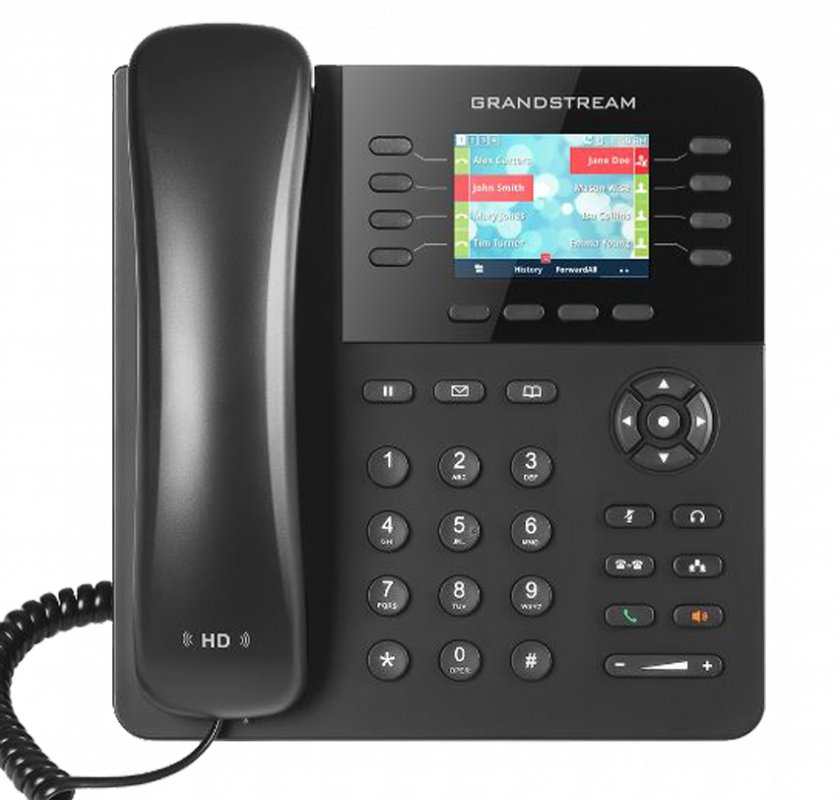
Grandstream offers a versatile lineup of telephony endpoints designed to meet the evolving needs of modern organizations. Their flagship series, the GRP IP phones, exemplify durability and user-centric design, making them ideal for large-scale deployment in busy environments like contact centers, offices, and hospitality settings. These devices feature high-definition audio, customizable keys, and intuitive interfaces that empower users to tailor their experience according to their roles, streamlining workflows and enhancing productivity.
A key advantage of Grandstream’s devices is their support for centralized cloud provisioning through platforms like Grandstream’s Device Management System (GDMS). This capability allows IT teams to remotely configure, monitor, and update hundreds or thousands of phones simultaneously. Such automation simplifies deployment, reduces manual errors, and ensures consistent settings across all endpoints. As a result, organizations can quickly scale their communication infrastructure without the logistical hurdles usually associated with large rollouts, saving both time and resources.
Built with compatibility and security in mind, Grandstream’s endpoints adhere to industry standards like SIP, ensuring seamless integration into existing networks and future-proofing the communication system. The robust hardware construction guarantees durability, even in demanding environments, while security protocols safeguard voice data against potential threats. Regular firmware updates, encryption, and network protections keep systems secure and reliable, maintaining trust and compliance across industries.
Network optimization features further elevate Grandstream’s devices, supporting advanced Quality of Service (QoS), traffic prioritization, and auto VLAN setup. These tools help maintain high call quality during peak network usage, ensuring clear, uninterrupted communication. Whether supporting a remote workforce or multiple office locations, these hardware capabilities contribute to a consistent, professional-grade experience for users and customers alike.
Deploying Grandstream’s devices offers significant logistical advantages. Their ease of remote management and automated provisioning streamline large-scale rollouts, minimizing downtime and reducing costs. Organizations can efficiently add new endpoints or adapt existing setups as their needs evolve, without the need for extensive on-site configuration. This flexibility makes Grandstream’s solutions a strategic choice for businesses seeking scalable, reliable, and customizable communication systems that keep pace with growth and technological change.