Learning to ride a bike transcends a simple skill—it’s a profound journey of courage, resilience, and family bonding. How does a wobble or fall transform into confidence? This milestone teaches children that perseverance and support turn fears into freedom, fostering independence and emotional strength. From mastering balance and coordination to overcoming the fear of falling, every small victory becomes a stepping stone toward self-trust. Family involvement—cheering, guiding, and sharing the effort—deepens bonds and turns challenges into cherished memories. Practical steps like choosing the right bike, ensuring safety, and celebrating progress make the learning process joyful and effective. But beyond mechanics, this experience shapes a mindset: that setbacks are part of growth and persistence leads to success. As children navigate these early lessons, they discover that resilience isn’t just about riding a bike but about facing life’s obstacles with confidence and optimism—an invaluable gift for a lifetime.
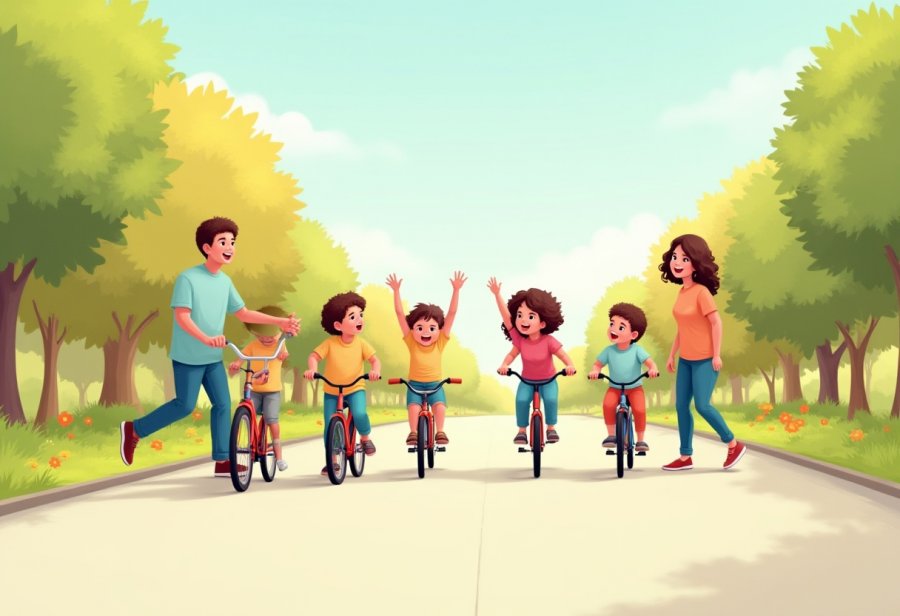
Celebrating the Milestone of Learning to Ride: A Journey of Courage and Family Bonds
Learning to ride a bike is more than just picking up a new skill—it’s a memorable milestone that signals a step toward independence. For children, the experience is filled with a mix of excitement and nerves, as they start to feel the thrill of balancing on two wheels for the first time. It’s a moment that often sticks with families, representing a shared journey of patience, encouragement, and trust.
This process isn’t just about mastering coordination; it’s about building confidence. Kids wobble, stumble, and fall, but each mistake becomes a valuable lesson in resilience. The support of family members—jogging beside, steadying the bike, or offering words of reassurance—turns a daunting challenge into an empowering adventure. These shared efforts foster bonds that deepen as children learn to trust their own abilities.
Riding a bike introduces children to the concept of perseverance. It’s not about instant success but about steady progress. Small victories, like balancing for a few seconds or pedaling across the driveway, reinforce the idea that effort pays off. Celebrating these moments helps kids see setbacks as part of the journey rather than failures, encouraging them to keep trying despite difficulties.
The emotional side of learning is just as important as the physical. Children often feel a mix of pride and anxiety, especially when facing the fear of falling. When parents are there to cheer them on and normalize the falls as part of learning, it transforms fear into motivation. Over time, as confidence grows, riding becomes a source of joy and independence.
Family bonds play a crucial role in this journey. Shared moments of trying, falling, and getting back up create lasting memories filled with encouragement and love. These experiences teach children that they are supported not just physically but emotionally—trusting that setbacks are temporary and that perseverance leads to success.
Learning to ride a bike symbolizes more than just a new skill; it’s a lesson in courage, patience, and trust. It shows children that overcoming fears and facing challenges head-on can lead to remarkable achievements. Through this process, they discover not only how to balance on two wheels but also how to navigate life’s obstacles with resilience and confidence.
Building the Foundations: Mastering Balance and Gaining Independence
Learning to ride a bike starts with mastering some fundamental ideas that set the stage for success. The most crucial is balance. Staying steady on two wheels, without wobbling or falling, requires focus, a good sense of how to shift your weight, and plenty of practice. At first, wobbling and falls are normal, but each stumble teaches kids how to control their movements better. As balance becomes more secure, coordination takes center stage—pedaling smoothly, steering accurately, and maintaining proper posture all work together to keep the bike moving forward.
Developing these skills naturally builds trust in their own control and fosters independence. Kids begin to manage their speed, navigate around obstacles, and feel more comfortable on different terrains. Supporting this growth involves encouraging small successes—like balancing for a few seconds or pedaling in a straight line—which help build momentum and motivation. Watching progress, no matter how small, reinforces that effort leads to improvement.
Understanding the basics also involves recognizing the history and significance of bikes. Since their emergence in the 19th century, bicycles have symbolized freedom and personal independence. Today, they serve as tools for exploration, exercise, and social connection across cultures. Appreciating this broader context highlights why learning to ride is such a meaningful milestone—not just for movement, but for self-confidence and community.
Patience is key in this process. Learning doesn’t happen overnight; it’s a steady climb. Each attempt, wobble, or fall is part of the journey, not a setback. Celebrating small victories, like pedaling a few meters or maintaining balance for a moment, keeps motivation high. These moments remind children that progress is gradual and that persistence pays off.
Physical coordination and mental confidence develop hand in hand. As children practice, they start feeling more in control of their movements and environment. Small wins—like balancing without wobbling or riding across the driveway—boost their belief in their abilities. This growing confidence turns initial fears into excitement and pride, encouraging them to try even more.
Supporting children also means emphasizing safety. Teaching about helmet use, bike maintenance, and practicing in safe areas reduces anxiety and makes the learning experience positive. When kids see safety as a priority, they’re more willing to take risks and push their boundaries, knowing they’re protected.
The process of learning to ride is as much about mindset as mechanics. It’s about embracing setbacks as stepping stones and trusting in the process. When children see themselves making steady progress and receive encouragement, they develop resilience. This attitude not only helps them ride confidently but also prepares them to face future challenges with grit and optimism.
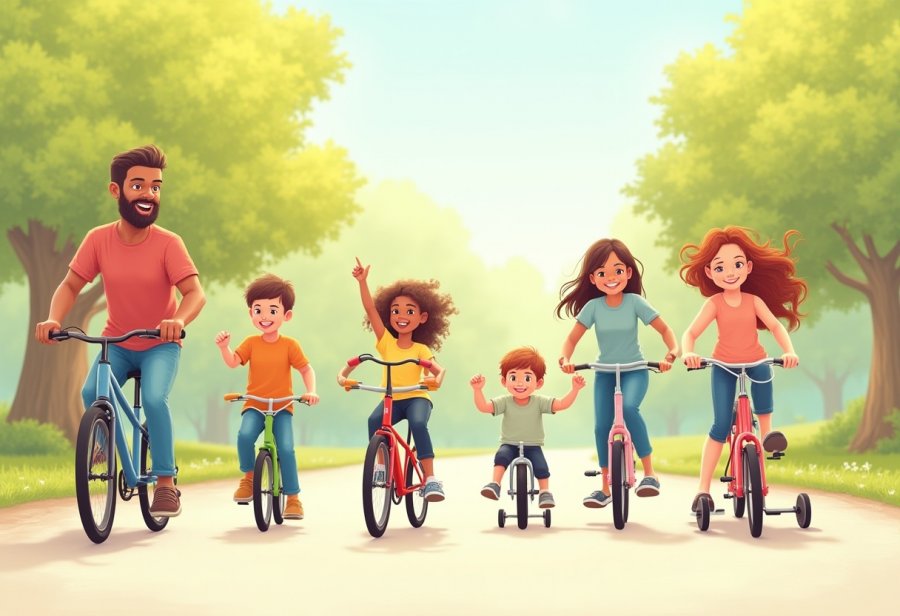
The Emotional and Physical Journey of Learning to Ride: Overcoming Challenges and Building Confidence
Learning to ride a bike is as much an emotional journey as it is a physical one. Kids often begin with a mix of excitement and nerves, knowing that falls are inevitable but eager to experience that exhilarating feeling of independence. Physically, they need to develop a sense of balance—staying steady despite wobbling and tumbles. This process isn’t smooth or straight; it involves constant readjustments, trusting instincts, and learning how to shift weight effectively. Each stumble or fall becomes a lesson, gradually building coordination and confidence.
Emotionally, the ride can feel like a rollercoaster. Fear of falling or failing might cause hesitation, but encouragement from family turns these moments into opportunities for growth. When children face setbacks and try again, they learn resilience—the ability to recover and keep going. Supporting them through these setbacks helps them see mistakes as normal steps in learning, not failures, fostering perseverance and grit.
The physical act of balancing and pedaling is tightly linked to emotional growth. As children practice, they begin to feel more in control of their movements and surroundings. Small victories—like balancing without wobbling or pedaling across the driveway—boost their belief in their abilities. These successes reinforce that they can master new skills, transforming initial fears into excitement and pride. Confidence blossoms as they realize they are capable of more than they thought.
Family support plays a pivotal role in this journey. When parents jog beside, steady the bike, or cheer on every small achievement, children feel safe and motivated. This shared effort turns learning into a bonding experience, reducing anxiety and making the process more enjoyable. Over time, this support helps children trust their skills and develop resilience to setbacks, turning challenges into opportunities for growth.
Overcoming the fear of falling is a key part of the emotional challenge. When kids understand that falling is just part of learning, they become more willing to take risks. Wearing safety gear and practicing in safe environments further reduces anxiety, making the experience positive. As their skills improve and fears diminish, riding becomes more than a task—it becomes a source of joy and independence.
This journey also involves managing frustration and patience. Progress might be slow at times, with setbacks along the way, but each attempt, wobble, or fall is a step forward. Celebrating small successes keeps motivation high and reinforces the idea that persistence leads to mastery. Recognizing that learning isn’t linear encourages children to stay committed, embracing the process rather than rushing to the finish.
As confidence grows, children start to see themselves as capable and brave. The physical act of riding becomes a symbol of resilience—a reminder that facing fears and overcoming obstacles is part of life’s broader journey. These early lessons in patience, perseverance, and support lay a foundation that extends well beyond the driveway, shaping a mindset ready to face future challenges with grit and optimism.
Practical Steps to Support Your Child’s First Bike Ride: Safety, Encouragement, and Progress
Supporting a child’s first bike ride involves practical steps that make the experience safer and more enjoyable for everyone. Choosing the right bike size is essential; a bike that fits comfortably—allowing the child to sit upright with both feet flat on the ground—boosts their confidence and sense of control. Starting on flat, open spaces like parks, driveways, or quiet streets helps children focus on balancing and pedaling without the added pressure of traffic or obstacles.
Parents can play a vital role by jogging alongside, gently guiding the bike, and gradually letting go as their child gains confidence. Holding the seat or back of the bike offers reassurance while allowing the child to experience balancing independently. Transitioning from training wheels to riding without them is a key step; training wheels provide stability early on but should be phased out once balance improves, encouraging true independence.
Safety gear is a must from the start. A well-fitted helmet, along with knee and elbow pads if needed, protects against falls and helps children feel secure trying new skills. Celebrating small victories—like pedaling a few meters or balancing steadily—keeps motivation high and makes progress tangible. When children see their own improvements, they become more eager to practice and push further.
Creating a positive environment is just as important as the physical setup. Sharing the experience—jogging beside, offering encouragement, and celebrating each effort—turns learning into a bonding activity. This support reduces anxiety, builds trust, and makes the process more fun. Over time, these shared moments foster resilience, helping children see setbacks as normal steps toward mastery.
Patience and consistency are key. Every child learns at their own pace, and setbacks are part of the journey. Encouraging persistence, celebrating progress, and maintaining a cheerful attitude help children develop resilience and a love for riding. When they understand that falling is just part of learning, they’re more willing to take risks and try again, building confidence with each attempt.
Supporting a child’s first bike ride isn’t just about mechanics; it’s about nurturing trust and independence. Providing a safe space, encouraging steady progress, and celebrating small wins create a foundation of resilience. These practical steps help children not only learn to ride but also develop a mindset of perseverance and self-trust—lessons that serve them well beyond the driveway.
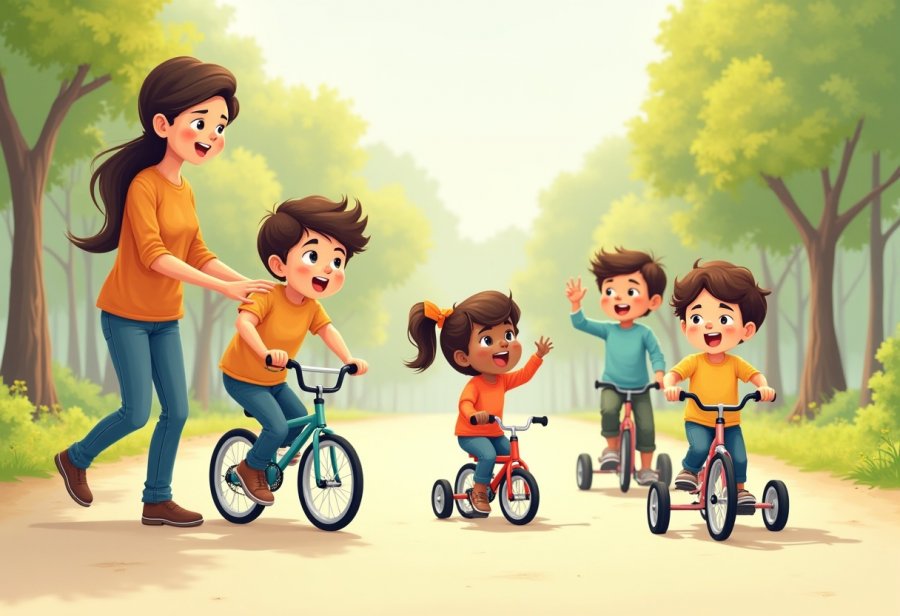
Wrapping Up the Ride: Lessons in Courage, Resilience, and Independence
Learning to ride a bike goes beyond just mastering a physical skill; it’s a powerful lesson in courage, resilience, and independence. Every wobble, fall, and triumphant pedal stroke teaches children that setbacks are part of the journey, not the end. Embracing this mindset helps build confidence that will serve them far beyond the driveway, shaping how they approach life’s challenges with grit and optimism.
Family support transforms what can seem like a daunting challenge into a shared adventure. When parents cheer on small victories and offer gentle guidance, they reinforce that persistence and effort matter more than perfection. These moments of encouragement create lasting memories and deepen bonds, showing children they’re supported every step of the way. This trust and reassurance foster a resilient attitude that encourages them to keep trying, even when faced with difficulties.
The skills learned on two wheels extend well beyond riding. They teach kids to face fears head-on, trust their abilities, and persist through discomfort. Recognizing that falling is just part of learning helps children see mistakes as opportunities for growth rather than failures. As their confidence grows and fears diminish, riding becomes a symbol of independence—a reminder of what’s possible when they push past uncertainty.
Patience remains essential. Every child progresses at their own pace, and setbacks are natural. Celebrating small wins, like balancing or pedaling a few meters, keeps motivation high and reinforces that perseverance pays off. These experiences instill resilience and a growth mindset, preparing children to face future challenges with bravery and determination.
The journey of learning to ride is as much about developing trust in oneself as it is about the mechanics of balancing and pedaling. It shows children that effort, combined with support and patience, can turn fears into confidence. These lessons in perseverance and self-trust become a foundation that empowers them to pursue new adventures and challenges with a brave heart.
As children gain independence through cycling, they discover a new sense of capability and resilience. The simple act of riding becomes a symbol of growth—a reminder that overcoming fears and obstacles is part of life’s ongoing journey. These early experiences in pushing through discomfort and trusting in their progress will shape how they approach the world, fostering a lifelong attitude of courage, optimism, and readiness for whatever comes next.