Mastering the art of calm dog walking is more than just preventing pulling—it’s about cultivating a trusting, mutually respectful bond that transforms routine outings into shared moments of peace and connection. But how do you turn a hectic walk into a harmonious experience? This guide explores the fundamentals of canine behavior, emphasizing the importance of reading body language and employing positive reinforcement. It guides you through practical strategies, from starting in quiet environments to gradually introducing distractions, using supportive tools, and maintaining a calm demeanor. Real-world examples illustrate how patience and consistency can turn even energetic or anxious dogs into relaxed walkers. Planning routines, setting clear goals, and managing risks proactively ensure safety and success. Are you ready to invest in this journey? Because a calm, focused walk isn’t just a skill—it’s a pathway to deeper trust and a stronger bond, making every step together more joyful and rewarding.
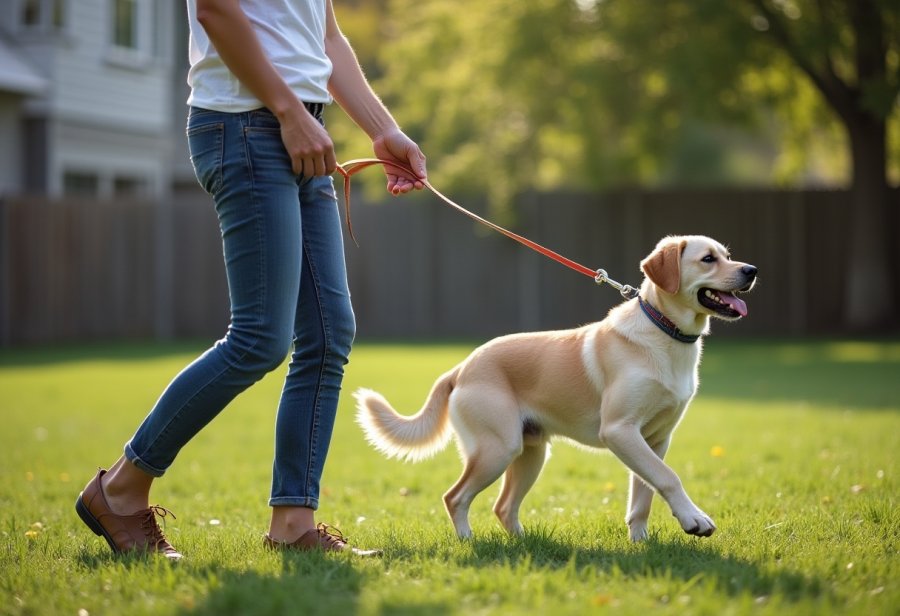
Transform Your Walks: Build Trust and Calm Connections
Walking calmly with your dog isn’t just about keeping them from pulling on the leash—it’s about creating a shared experience built on trust and mutual respect. When your dog learns to stay relaxed and attentive, every walk becomes more than a routine; it turns into a moment of genuine connection. A calm approach reduces stress for both of you, making outings safer and more enjoyable, especially in busy or unpredictable environments. Developing this skill requires patience and consistency, but the payoff is a stronger bond and a smoother partnership.
Understanding your dog’s body language is key to fostering calmness. Recognizing signs of excitement, stress, or distraction early allows you to respond before situations escalate. Dogs that are comfortable and focused tend to be more responsive, making training easier and more effective. Over time, these attentive habits lay the foundation for good leash manners and turn walks into opportunities for positive communication and reinforcement.
This isn’t just about obedience; it’s about supporting your dog’s emotional well-being. When they walk at your side without pulling or barking, they feel more secure and confident. This sense of security can help reduce anxiety and prevent behavioral issues that often surface during walks. Calm walks foster harmony, transforming what used to be stressful outings into shared moments of trust and calmness.
Building this connection starts with understanding what your dog communicates through their body language. Early recognition of signs like tension or distraction allows you to guide them back to a relaxed state. This awareness helps turn everyday walks into peaceful experiences, strengthening the bond and encouraging your dog to see walks as safe, enjoyable adventures rather than source of stress.
The journey to calm, focused walking isn’t overnight—it’s a gradual process rooted in patience and consistent effort. By establishing routines that emphasize relaxation and attentiveness, you set the stage for success. Over time, your dog will learn to respond calmly, making every walk a bonding experience that deepens your trust and mutual understanding.
Decode Dog Behavior: Foundations for Calm Walking Success
Understanding dog behavior is the foundation for teaching calm walks. Dogs communicate primarily through body language—tail position, ear orientation, eye contact, and posture all reveal how they’re feeling and what they might do next. Recognizing signs of excitement, stress, or distraction early on allows you to respond before situations escalate. For example, a wagging tail and relaxed stance usually indicate comfort, whereas a tucked tail or stiff body can signal anxiety. Learning to read these cues helps you guide your dog back to a calm state, making outings safer and more enjoyable.
Training principles like positive reinforcement and consistency are essential. Reward your dog for good behavior with treats, praise, or gentle petting, especially when they walk calmly. Routine helps too; predictable walks and clear cues reduce uncertainty and stress, creating a sense of security. When your dog understands what’s expected, they’re more likely to stay focused and relaxed during outings.
Leash training isn’t just about control; it’s about effective communication. Using gentle, consistent cues, you teach your dog that staying attentive and walking calmly brings rewards. Patience is key, as behavior doesn’t change overnight. Small, frequent training sessions build trust and confidence, leading to more reliable responses over time. Recognizing each dog’s unique personality also matters—some may need more gradual exposure or different reinforcement strategies.
Modern training techniques emphasize positive reinforcement over dominance or punishment. This approach fosters trust, reduces fear, and encourages your dog to enjoy walks rather than dread them. When your training aligns with your dog’s natural instincts and emotions, behavior improves more naturally and sustainably.
Knowing your dog’s individual needs helps tailor your training efforts. An anxious dog benefits from gradual exposure and lots of praise, while an energetic dog may need outlets for excess energy before walks. Adjusting your methods keeps training effective and enjoyable, reinforcing calm walking as a shared goal.
Consistency across routines and commands accelerates learning. If multiple people walk your dog, everyone should follow the same cues and rules. This prevents confusion and helps your dog develop reliable habits. Over time, this consistency builds a solid foundation for calm, focused leash manners.
Positive reinforcement not only teaches behaviors but also deepens your bond. When your dog learns that calm walking brings rewards, they become more motivated to stay focused and relaxed. This mutual understanding transforms routine walks into moments of trust and connection.
Finally, understanding dog behavior equips you to prevent common issues like pulling or lunging. Spotting early signs of overstimulation allows you to intervene with redirection or calming techniques. This awareness reduces setbacks, making every walk a safer, more positive experience for both of you.
Practical Strategies: Achieve Focus and Peace on Every Walk
To teach your dog to walk calmly, start with simple, clear goals like keeping them at your side without pulling, using cues such as “heel” or “let’s go.” Keep training sessions short—around five to ten minutes—and practice in quiet areas with minimal distractions. Consistency is crucial: always use the same commands and reward your dog when they respond correctly. This routine helps your dog understand what’s expected and builds their confidence to stay focused.
As your dog improves, gradually introduce distractions by choosing environments with mild stimuli, like passing cars or other dogs. When your dog remains calm and attentive, reward them generously. If they get distracted or pull, calmly reset and reinforce the cue, redirecting their attention with treats or a favorite toy. Over time, your dog will learn to tune out distractions and stay focused on you, making walks more peaceful.
Your own energy levels influence your dog’s behavior. Staying relaxed and patient helps your dog feel secure and less anxious. Avoid reacting with frustration if they pull or get overly excited; instead, pause or gently redirect, maintaining a calm tone. Consistent practice paired with a steady demeanor creates a sense of safety and encourages your dog to remain calm and attentive.
Using supportive tools like a front-clip harness or gentle head halter can make managing pulling easier without causing discomfort. Treat-dispensing toys or clickers can also enhance engagement, making training sessions rewarding and fun. Combining proper equipment with your calm, confident approach maximizes your chances of achieving calm, focused walks.
Remember, progress takes patience. Celebrate small victories, like walking a few steps without pulling or ignoring distractions. Regular practice and positive reinforcement will gradually transform your dog’s walking behavior. With persistence and consistency, peaceful walks become a shared, bonding experience that strengthens your trust and connection.
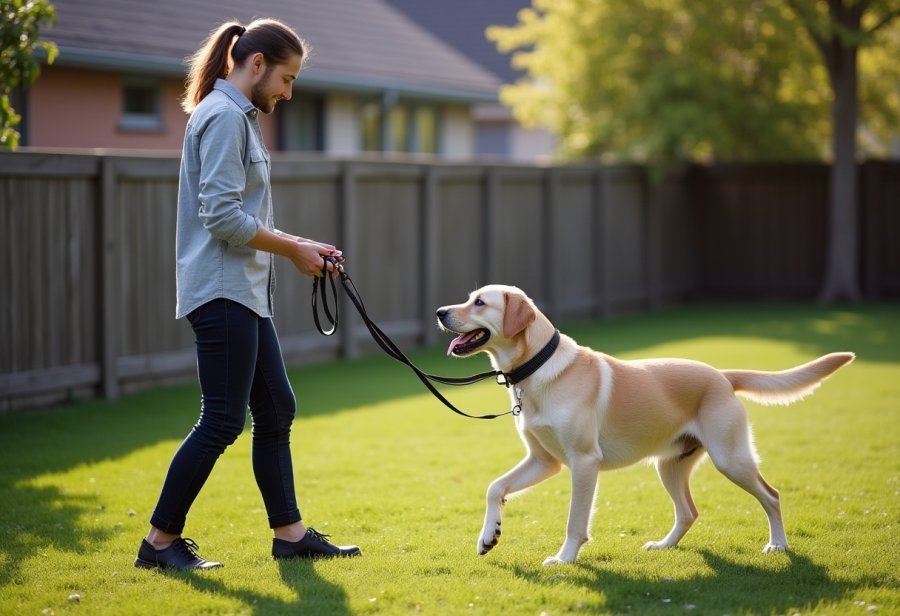
Real-Life Success Stories: Inspiring Calm Walk Transformations
Real-world examples can make the idea of calm walks feel more achievable. Take Sarah and her Labrador, Max. Initially, Max would pull and bark at every squirrel or passing car, turning walks into a stressful ordeal. By consistently practicing the “heel” command and rewarding calm behavior, Sarah gradually transformed their routine. Over a few weeks, their walks became noticeably calmer, even in busy neighborhoods. Max learned to focus on Sarah instead of distractions, making outings more peaceful and enjoyable.
Another example is Tom and Bella, a rescue dog with anxiety. Bella was nervous on the leash, often pulling and barking at unfamiliar sights. Tom took slow, deliberate steps—gradually exposing Bella to new environments and rewarding her for calm responses. With patience, Bella relaxed during walks and gained confidence, strolling calmly through crowded parks. Their progress shows how gentle exposure paired with steady training can change a dog’s behavior and reduce anxiety.
Lisa’s high-energy Border Collie, Scout, illustrates how consistency pays off. Scout was easily distracted and frustrated during walks. Lisa used treats and praise to reinforce focus, practicing commands like “easy” and “sit” in low-stimulation areas. Over time, Scout learned to ignore distractions and stay attentive, making walks more peaceful. This example highlights that even energetic dogs can learn calm leash manners with patience and positive reinforcement.
James worked with Daisy, a shy rescue prone to pulling and hesitation. By gradually exposing her to different environments and rewarding her calm responses, James built her confidence. Daisy now walks calmly through busy streets, demonstrating how step-by-step training tailored to a dog’s personality can improve leash behavior and ease anxiety.
These stories show that progress often happens gradually but steadily. Small victories—like walking a few steps without pulling—boost motivation and deepen trust. Dogs respond well to consistent routines and positive reinforcement, turning everyday walks into shared moments of trust and harmony. With patience and persistence, many dogs can learn to walk politely, transforming routine outings into peaceful, bonding experiences.
Plan for Peace: Preparation Tips for Stress-Free Outings
Getting ready for a successful calm walk starts with thoughtful planning of your environment and resources. Choosing familiar, quiet routes helps your dog build confidence and focus without becoming overwhelmed. As they grow more comfortable, gradually introducing busier areas can challenge their focus, but starting small keeps stress levels manageable and training effective. Having the right gear, like a well-fitting harness or leash, makes a significant difference in maintaining control while keeping your dog comfortable and secure.
Timing your outings around your dog’s natural energy peaks and dips can make a big difference. Aim for moments when they’re neither overly tired nor overly excited, as this makes it easier for them to respond to cues and stay calm. Setting clear, achievable goals for each walk—whether practicing leash manners or reinforcing commands like “heel”—turns routine outings into purposeful training sessions that build positive associations and progress.
Pay close attention to your route’s environment. Starting in low-stimulation areas—such as quiet neighborhoods or parks—helps your dog learn focus without distractions. As they improve, you can gently expose them to busier settings, always rewarding calm behavior along the way. Having a plan and sticking to it creates a sense of safety, which encourages your dog to remain relaxed and attentive during walks.
Investing in the right training tools can support your efforts. A sturdy harness or front-clip leash provides better control without causing discomfort, especially for dogs that tend to pull. Treat-dispensing toys or clickers can make training more engaging and rewarding, reinforcing calm behavior. Preparing these resources in advance ensures each walk is consistent, positive, and productive.
Thoughtful planning also involves managing your expectations and being patient. Small, consistent steps—like walking a few extra seconds calmly or ignoring distractions—lay the foundation for lasting progress. Recognizing that training is a gradual process helps you stay motivated and keeps your dog motivated to learn.
By establishing a routine grounded in preparation, you set the stage for calm, enjoyable walks. This proactive approach reduces stress, builds your dog’s confidence, and turns everyday outings into meaningful moments of connection. With patience and consistency, these small investments in planning will pay off in peaceful, bonding experiences that strengthen your relationship.
Step-by-Step Training: Structuring Calm Leash Manners
To effectively train your dog for calm walks, establishing a clear, step-by-step approach is essential. Begin by setting specific, manageable goals—such as keeping your dog at your side without pulling for a few meters—and focus on small, consistent progress. Starting in quiet, low-stimulation environments allows your dog to build focus and confidence without becoming overwhelmed. Use consistent cues like “heel” or “let’s go,” and reward immediately when your dog responds correctly. Repetition and positive reinforcement help your dog connect expectations with behavior, creating a solid foundation for progress.
Short training sessions, around five to ten minutes, are most effective. They keep your dog engaged without frustration and set up a routine that promotes steady improvement. Always aim to end each session on a positive note, rewarding calm behavior even if progress feels slow. As your dog begins to master basic skills, gradually introduce mild distractions—like passing cars or other dogs—and reinforce calm responses. If your dog pulls or gets distracted, calmly reset and reinforce the cue, gently guiding their attention back to you. Patience is key, as dogs learn at different speeds, and setbacks are normal.
Using the right training tools can support your efforts. A front-clip harness or gentle head halter provides better control without discomfort, especially during more challenging walks. Incorporate treats or clickers to make training sessions more engaging and rewarding, helping your dog stay motivated. Consistency across routines and commands helps your dog understand what’s expected, making behavior more reliable over time.
Stay calm and confident during training. Your energy influences your dog’s responses, so maintaining a relaxed demeanor encourages your dog to stay focused and composed. Remember, progress is gradual—celebrate small victories and don’t rush the process. Each successful step builds trust and sets the stage for more peaceful, enjoyable walks. With steady effort and patience, your dog can learn to walk calmly at your side, transforming everyday outings into moments of shared harmony.
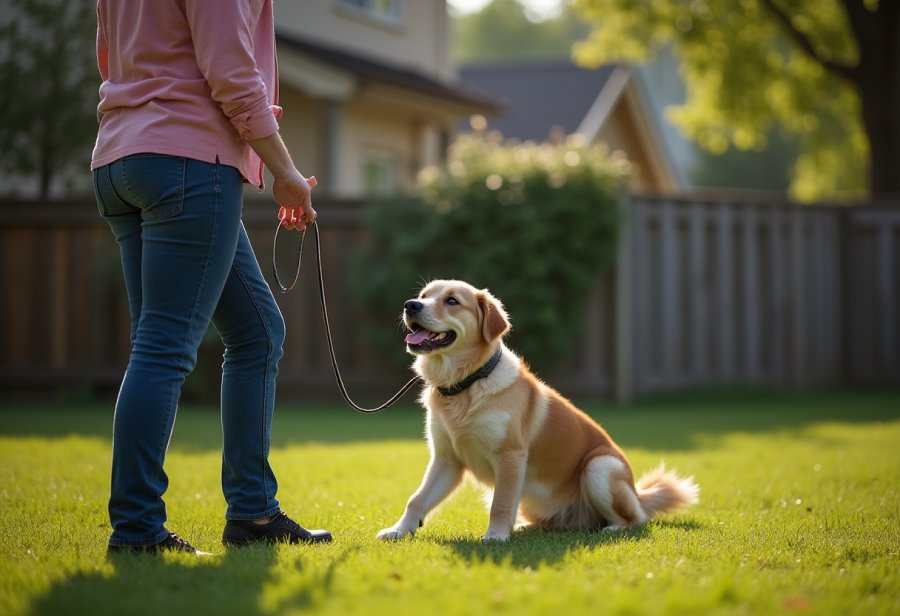
Stay Prepared: Managing Risks for Calm, Safe Walks
Managing risks during calm dog walks means staying alert to situations that could trigger your dog’s excitement or anxiety. Recognizing early signs—such as stiff posture, wide eyes, or rigid tail—allows you to intervene before the situation escalates. Choosing quieter routes at first helps your dog build confidence and focus without becoming overwhelmed, laying the foundation for more challenging environments later on.
When surprises happen—like your dog lunging at another dog or barking at loud noises—keep your composure. Use quick, calm redirection with commands like “look at me” or “leave it,” paired with treats or praise, to help de-escalate the moment. Reacting with frustration can heighten your dog’s stress; instead, a steady, relaxed approach will encourage them to settle. If needed, gently guide your dog away from the trigger and give them time to regain composure.
Pay close attention to your dog’s body language throughout the walk. Signs of overstimulation, such as stiff posture or wide eyes, indicate it’s time to pause or remove your dog from the situation. Proactively adjusting your route or shortening the walk can prevent setbacks and keep the experience positive. Managing these cues early helps your dog associate walks with safety and calmness, reducing future reactivity.
Having a response plan in mind keeps you prepared. Practice calm reactions and keep treats or toys nearby for redirection. Your demeanor influences your dog’s reactions—maintaining a relaxed attitude encourages them to remain focused and composed. If issues persist, consulting a professional trainer can provide tailored strategies to ensure walks stay safe, enjoyable, and stress-free for both of you.