What if true leadership isn’t about external conquests or visible achievements but rooted in inner discipline and moral resilience? Marcus Aurelius exemplifies this paradox—ruling an empire while practicing profound self-control, patience, and virtue. His life prompts us to reconsider the essence of strength: could mastery over oneself be the greatest form of power? Rooted in Stoic philosophy, his teachings emphasize that lasting influence stems from cultivating inner virtues like wisdom, justice, and temperance, especially amidst chaos and adversity. This timeless message challenges modern leaders and individuals alike to develop habits of reflection, mindfulness, and emotional resilience, transforming setbacks into opportunities for growth. As the narrative unfolds, it reveals that genuine power lies in the quiet battles of the mind and spirit—an enduring legacy that outshines fleeting external victories. Are we willing to build our inner empires to face life’s storms with grace and strength?
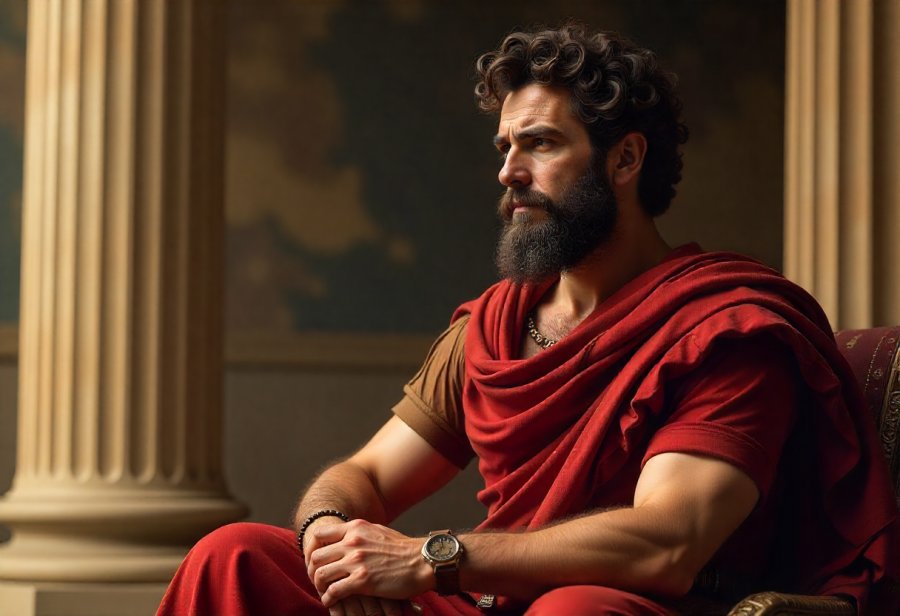
Inner Power Over External Triumphs: Rethinking Leadership’s True Foundation
Leadership has long been associated with outward displays of power—conquering territories, winning battles, or shaping public opinion through visible achievements. These external signs often form the basis of how we admire and judge leaders, emphasizing their ability to influence and control the world around them. But what if the essence of true leadership isn’t rooted in what’s visible on the surface? What if genuine strength lies deeper—within the individual’s capacity for self-mastery and inner resilience?
This idea isn’t new. Throughout history, many thinkers and leaders have pointed to qualities like moral integrity, patience, and resilience as the true foundations of effective leadership. Marcus Aurelius, the Roman emperor and Stoic philosopher, exemplifies this shift. Despite wielding immense political and military power, his legacy is rooted in his inner discipline—his ability to remain calm amid chaos, reflect on his morals, and govern himself with virtue. His life suggests that authentic power isn’t measured by external victories but by the strength of character within.
In today’s world, this question feels more relevant than ever. External achievements can be fleeting, especially in a landscape of rapid change and constant uncertainty. Leadership based solely on external success often relies on circumstances outside our control, making it fragile and temporary. Inner strength, on the other hand, offers a steady foundation—resilience that endures regardless of external upheavals. Leaders who develop self-control and emotional resilience are better equipped to make wise decisions, inspire trust, and guide others through turbulent times with clarity.
This focus on inner discipline aligns closely with Stoic philosophy, which emphasizes mastery over reactions and moral virtues. It teaches that true power resides in governing oneself—controlling impulses, practicing patience, and maintaining integrity. These qualities foster authentic leadership that withstands fleeting external circumstances. Marcus Aurelius’s life and writings exemplify how inner resilience and moral clarity are the real sources of influence, inviting us to reconsider what it truly means to lead.
From Greece to Modernity: The Stoic Principles That Shape Resilient Leadership
Stoic philosophy has deep roots stretching back to ancient Greece, where it was founded by Zeno of Citium around the early 3rd century BCE. Zeno’s approach was rooted in practicality: living in harmony with nature, cultivating virtue, and mastering the mind. He believed that true strength didn’t come from external circumstances but from how we choose to respond to them. This core idea laid the groundwork for a philosophy that prioritized inner resilience over external power.
As Stoicism evolved, it was shaped by influential thinkers like Seneca and Epictetus. Seneca, a Roman statesman and philosopher, emphasized self-control and rationality as essential tools for managing both personal and public challenges. Epictetus, once a slave, focused on internal freedom—arguing that moral integrity depends on mastering reactions, regardless of external conditions. Their teachings reinforced the notion that mastery over oneself is the foundation of genuine strength and leadership.
When Marcus Aurelius ascended to the throne, he integrated these Stoic principles into his governance. His writings in Meditations reveal a leader committed to inner discipline, especially during times of crisis. For him, controlling emotions and practicing virtues like wisdom, justice, and temperance weren’t just personal ideals—they were vital to effective leadership. His reflections show how Stoic thought was a practical guide for navigating external chaos through internal stability.
Throughout history, the influence of Stoic ideas has persisted. From their Greek origins to their adoption by Roman elites, the principles of controlling reactions and focusing on virtue have remained relevant across ages. During upheavals like the Renaissance or in modern psychological practices such as cognitive-behavioral therapy, Stoic concepts continue to inspire. They serve as a reminder that what truly matters isn’t external success, but the strength of character cultivated within.
Marcus Aurelius’s reign exemplifies how Stoic virtues can act as a stabilizing force. Facing wars, political unrest, and personal hardships, he often turned inward, emphasizing patience, justice, and self-control. His ability to stay calm amid chaos wasn’t just about personal resilience; it became a blueprint for leadership rooted in inner strength. His example underscores that external power is fleeting, but inner discipline endures.
The core of Stoic philosophy is that mastery over oneself is the real source of power. Controlling impulses, cultivating patience, and practicing moral clarity create a resilient character capable of guiding others and enduring adversity. These qualities form a moral compass that helps leaders stay grounded, even when external circumstances are unpredictable. They remind us that true leadership begins within.
In embracing these principles, we see that inner discipline isn’t a distant ideal but a practical, attainable skill. Its influence extends beyond philosophy into everyday life, encouraging reflection, self-awareness, and moral integrity. By adopting Stoic practices, we cultivate inner resilience that can weather any storm, making us not just better leaders but more balanced, authentic individuals.
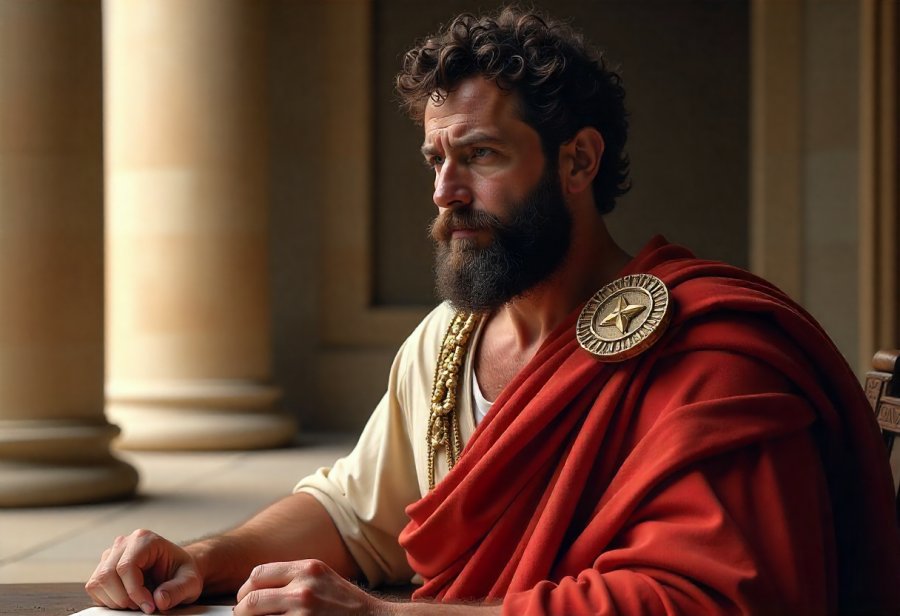
Marcus Aurelius: The Philosopher-King Who Embodied Inner Discipline
Marcus Aurelius stands out as a rare figure in history—a leader who balanced immense power with profound inner discipline. Born in 121 AD, he grew up in an environment that emphasized education, philosophy, and self-control. From a young age, he immersed himself in Stoic teachings, laying the foundation for his approach to leadership and life. As emperor, he faced relentless challenges: military conflicts, political intrigue, and personal hardships like illness and loss. Throughout it all, his commitment to philosophical ideals remained unwavering.
His writings in Meditations reveal a man dedicated to self-mastery. These reflections weren’t meant for public display but served as personal reminders to stay true to his virtues. Marcus believed that true strength didn’t come from external victories but from inner resilience—maintaining calm, rationality, and moral integrity even in the most difficult moments. His ability to govern himself with discipline allowed him to lead with humility and purpose, setting an example that extended beyond politics.
Despite the chaos of war and unrest, Marcus often turned inward, writing of patience, justice, and temperance. Even in times of personal tragedy, such as the death of loved ones, he remained composed and reflected on life’s transient nature. These moments of inner resilience didn’t just help him endure—they enabled wiser decisions and inspired loyalty among his followers. His inner discipline became a stabilizing force amid external turmoil.
Marcus’s philosophical outlook profoundly influenced his governance. He prioritized reason over impulsiveness and moral integrity over personal gain. During turbulent times, he resisted rash actions, choosing instead to seek solutions grounded in justice and wisdom. Governing himself first, he demonstrated that internal strength was the true foundation of effective leadership.
His example underscores that genuine power isn’t measured by external achievements. Instead, it springs from mastery over oneself—controlling impulses, practicing patience, and acting with humility. These qualities allowed him to lead with calm authority, even in adversity. Marcus’s life reminds us that the most enduring victories are won in the quiet battles of the mind and spirit, not on the battlefield.
Ultimately, Marcus Aurelius exemplifies that the greatest leader is one who cultivates inner strength. His legacy shows that external conquests fade, but virtues like self-control and moral clarity endure. His life invites us to reflect on how developing inner discipline can serve as a steady anchor, empowering us to face life’s storms with resilience and grace.
Cultivating Inner Strength Today: Practical Strategies Inspired by a Stoic Legacy
Cultivating inner discipline today doesn’t mean radical upheaval but developing simple, intentional habits that build resilience over time. Starting your day with a few moments of reflection can set a calm, focused tone. Take a moment to revisit your core values, clarify your intentions, and remind yourself of your long-term goals. This quick mental check-in helps anchor your mind, making it easier to stay centered amid the chaos of daily life.
Practicing mindfulness or meditation regularly strengthens self-awareness and emotional resilience. These practices teach us to observe our thoughts and feelings without immediately reacting, creating an inner calm that acts as a steady anchor. Over time, this mental clarity makes it easier to respond thoughtfully rather than impulsively, especially in stressful moments. It’s about training your mind to stay calm and focused, even when external circumstances are challenging.
Throughout the day, pause when you feel your emotions rising. Take a deep breath before responding to challenges or frustrations. This simple act of pausing helps you choose responses rooted in your values instead of reacting out of habit or emotion. Small acts of self-control, practiced consistently, gradually strengthen your inner resilience and foster a more disciplined mindset.
View setbacks not as failures but as opportunities to learn and grow. When things don’t go as planned, reflect on what lessons can be gained rather than dwelling on frustration. This shift in perspective reinforces mental toughness and adaptability—key components of inner discipline. Tracking small wins and moments of calm can motivate you to keep progressing and reinforce your commitment.
Journaling adds another powerful layer. Write about moments when you managed to stay calm or practiced patience, and also acknowledge times when you struggled. Over time, these reflections reveal patterns, strengths, and areas for improvement. This ongoing process provides accountability and helps you stay focused on growth, much like Marcus Aurelius did with his meditations.
Consistency is key. Even a few minutes each day—be it reflection, mindfulness, or journaling—can turn into a lasting habit. Think of these practices as workouts for your mind, strengthening your capacity for self-mastery. Over weeks and months, this disciplined approach becomes part of who you are, empowering you to lead with wisdom, calm, and confidence.
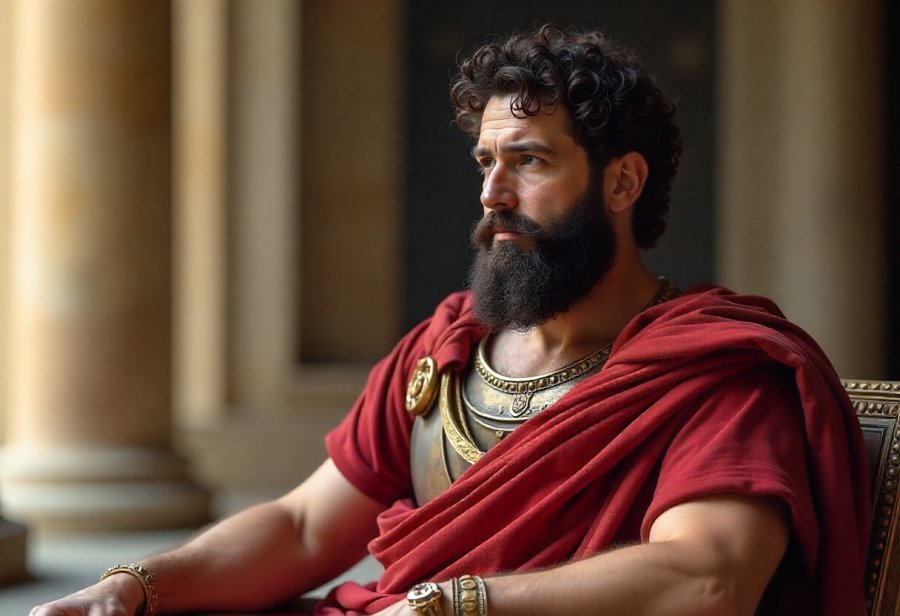
The Continuous Journey of Inner Discipline: Building Resilience for a Lasting Legacy
Inner discipline isn’t a one-time achievement; it’s a continuous journey that shapes who we become over time. Marcus Aurelius showed us that cultivating resilience, wisdom, and self-control builds a foundation for authentic leadership and personal growth. These virtues aren’t just lofty ideals—they are the core of lasting influence and inner peace. When we invest in developing inner strength, we create a resilience capable of guiding us through life’s inevitable challenges and uncertainties.
The most enduring power doesn’t come from external victories or possessions, which can fade or be taken away. Instead, it springs from virtues like patience, humility, and clarity—qualities that act as a moral compass during turbulent times. Focusing on inner discipline offers a steady anchor that remains intact regardless of external circumstances. This inner stability allows us to lead with authenticity, inspire trust, and act with integrity, even amid chaos.
Building inner discipline is a practical process. Simple habits like daily reflection, mindfulness, and journaling nurture resilience and moral clarity. These practices keep us aligned with our values and help us respond thoughtfully rather than react impulsively. Over time, consistency in these small acts transforms them into a resilient mindset that supports our growth and leadership. It’s about making deliberate choices every day that reinforce our inner strength.
Looking ahead, embracing inner discipline shifts our perspective on adversity. Instead of viewing challenges as insurmountable obstacles, we see them as opportunities to strengthen character. Each difficulty becomes a chance to reinforce mental toughness and moral integrity. This mindset transforms setbacks into stepping stones, fostering growth and resilience in ways that external successes cannot match.
The path of inner growth is ongoing, demanding patience and self-awareness. As we deepen our self-understanding and moral clarity, we become better leaders for others and more at peace with ourselves. Inner discipline creates a steady, guiding presence—helping us navigate life’s storms with calm and purpose. In cultivating this inner empire, we build a legacy of resilience that outshines fleeting external gains, shaping a life of true strength and lasting influence.